
Why an emergency fund matters even on a tight budget
When money is already stretched, saving for something that may never happen can feel like the wrong priority. But the purpose of an emergency fund is not to plan for disaster; it is to stop one bad week from becoming a months-long financial setback.
Without any buffer, a single car repair, medical bill, or gap in hours at work often forces a choice between a high-interest credit card or a payday loan. Both options carry costs that compound quickly. A modest fund breaks that cycle before it starts.
Before going further, it helps to be clear on what an emergency fund actually is. Our article on what an emergency fund actually is and what it isn't explains how it differs from general savings and why the distinction changes how you use the money.
Think of it as insurance, not savings
The goal of an emergency fund is not to grow wealth; it is to avoid taking on debt during a crisis. Framing it as a cost of financial stability rather than a sacrifice can make it easier to prioritize, even when other financial goals are competing for the same dollars.
Setting a starter goal you can actually reach
The standard advice to save three to six months of expenses is correct as a long-term target. As a first goal, it is discouraging. A large number with no visible progress is the fastest way to abandon the effort.
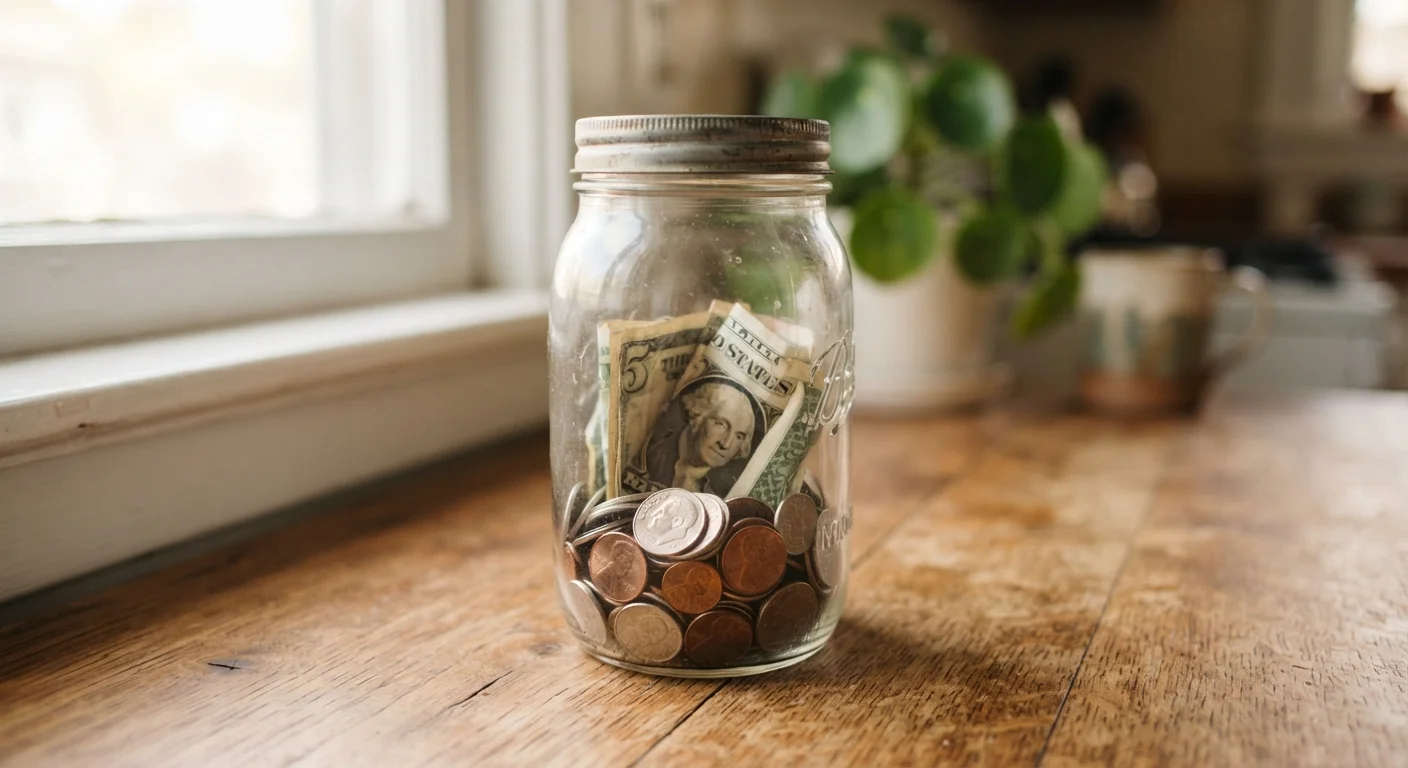
Start with $500. That amount covers a majority of the single-incident emergencies most households face, and it is reachable in weeks or a few months on almost any income. Once you hit $500, the next milestone might be one month of rent or mortgage. Progress compounds motivation the same way interest compounds savings.
If you are unsure how to think about longer-term targets, our article on three months or six: how much your emergency fund should hold walks through what those benchmarks mean for different household types.
Emergency fund
A dedicated pool of savings set aside specifically for unplanned, urgent expenses. It is separate from money saved for planned goals like a vacation or a new appliance.
Starter goal
A small, reachable savings target, often $500 or $1,000, used as the first milestone before working toward a larger long-term amount.
Automatic transfer
A scheduled instruction to your bank to move a fixed amount from one account to another on a set date, without requiring you to act each time.
Federally insured account
A bank or credit union account covered by a government-backed program (such as FDIC or NCUA coverage) that protects deposits up to a set limit if the institution fails.
Essential expenses
The monthly costs you must cover to maintain housing, utilities, food, and transportation. These form the baseline for calculating how large a full emergency fund should be.
Finding money to save when the budget looks full
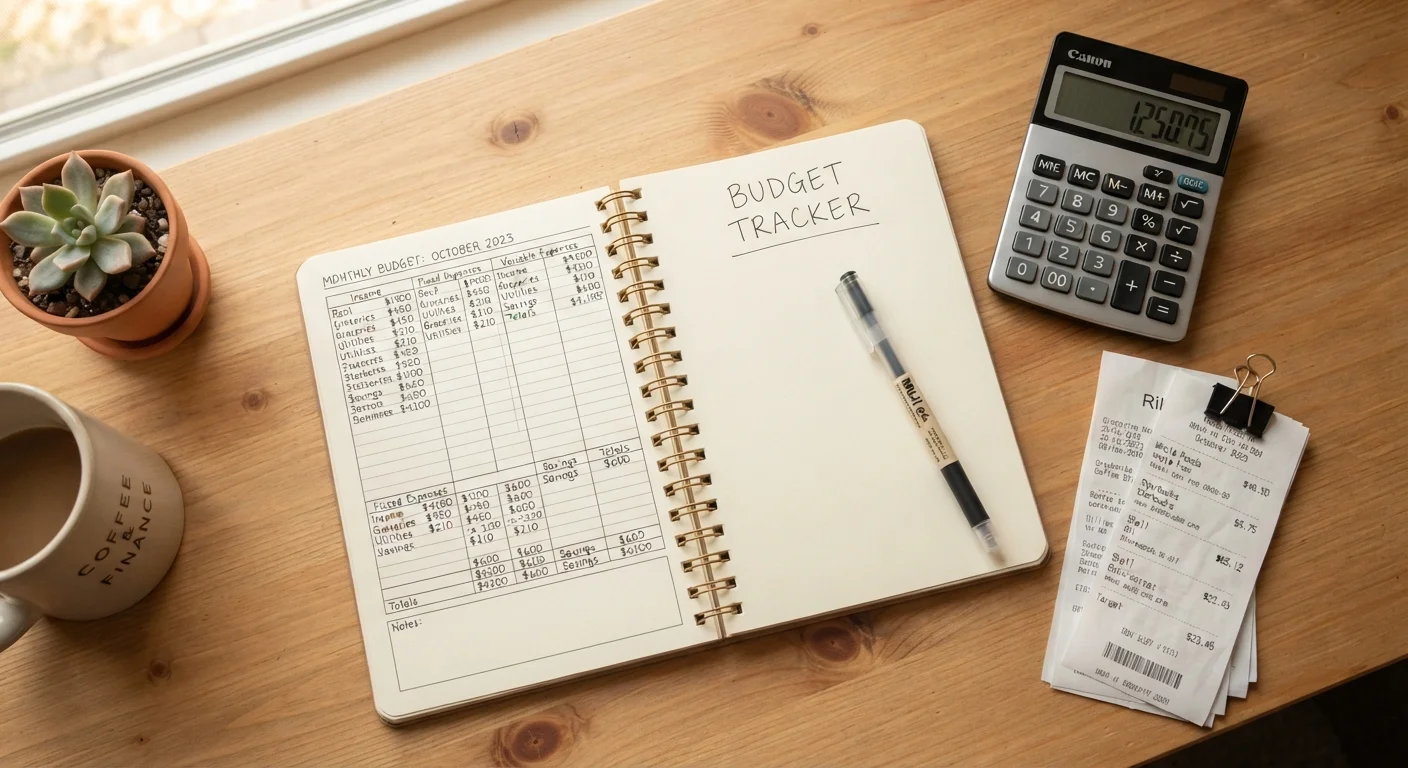
Most budgets have small leaks rather than large obvious gaps. Subscription services that overlap, convenience spending that adds up daily, and irregular income that never gets assigned a purpose are common sources. A one-month spending review, looking at every transaction in your bank or card statements, usually surfaces $20 to $50 that can be redirected without changing your lifestyle in any meaningful way.
If your budget truly has no slack after fixed expenses and necessities, the other side of the equation is income. Selling unused items, picking up occasional gig work, or redirecting a portion of any tax refund are one-time influxes that can seed your fund without requiring a permanent change in monthly cash flow. Even a single $200 deposit puts you 40% of the way to a $500 starter goal.
A structured approach to your monthly numbers makes this easier. The budgeting basics hub has practical methods for tracking spending and finding room to save.
Making saving automatic and hard to undo
Deciding whether to transfer money each month introduces friction, and friction wins over willpower most of the time. An automatic transfer scheduled for the day after your paycheck clears removes that decision entirely. Even $10 or $20 a week adds up to $500 or more over the course of a year, and because it moves before you see it in your checking account, it rarely feels like a sacrifice.
Set the transfer amount low enough that it does not create a shortfall. A transfer that bounces or forces you to borrow defeats the purpose. You can increase the amount as your income grows or expenses decrease. The habit itself has value independent of the dollar amount.
Where to keep the money while it grows
Your emergency fund needs to be accessible within one to two business days but separate enough from your everyday spending that you do not dip into it casually. A savings account at a different bank from your primary checking account is a practical setup for most people. The small inconvenience of a transfer delay is often enough to discourage non-emergency withdrawals.
Account features worth comparing include whether the account is federally insured, minimum balance requirements, and any monthly fees. Interest rates on savings accounts vary and change over time, so do not choose an account solely based on the current rate. For a fuller look at account types and the trade-offs between them, see our article on where to keep an emergency fund.
What to do after your first milestone
Reaching $500 is a real achievement. The next step is to raise the target, not to relax the habit. Look at your monthly essential expenses: rent or mortgage, utilities, groceries, transportation, and any minimum debt payments. One month of those expenses is a reasonable second milestone.
If your fund ever gets used for a genuine emergency, treat replenishment the same way you treated the initial build. Resume the automatic transfer and set the same milestone. The fund is working as intended when you use it; the goal is simply to rebuild it before the next unexpected expense arrives.
This article is for general informational and educational purposes only and does not constitute personalized financial advice. Consult a qualified financial professional for guidance specific to your situation.