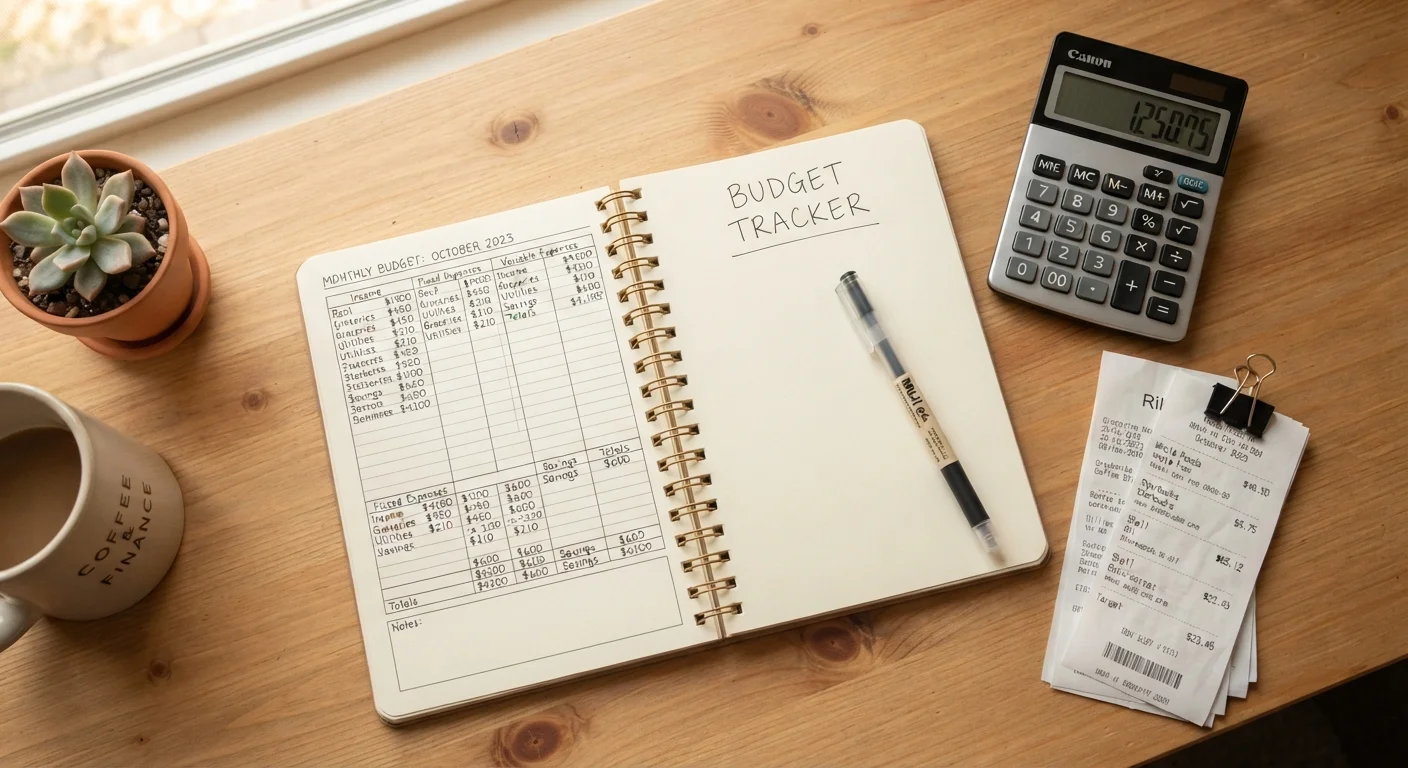

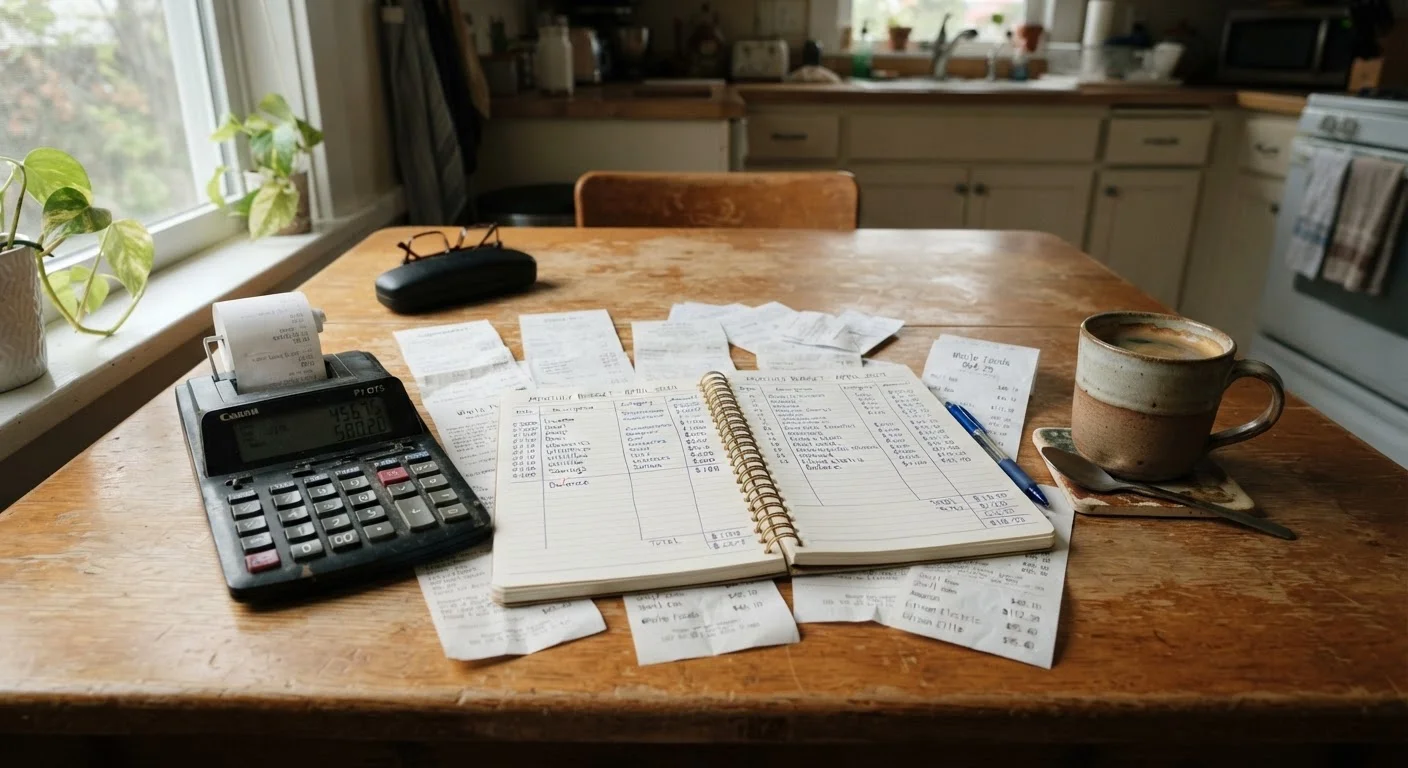
Why week two is where budgets break
The first week of a new budget tends to go well. Motivation is high, the rules feel fresh, and spending is still close to the start of the pay period. By week two, irregular purchases show up, a forgotten bill clears, and the carefully planned numbers no longer match reality. Most people interpret this as a personal failure. Usually it is a design problem.
The habits and planning gaps below explain why budgets stall so predictably, and what to do differently from the beginning. If you have not yet built your first budget, the six-step monthly budget guide walks through the full process before these issues have a chance to take hold.
The six mistakes that derail most budgets
These errors are not about willpower. They are about how the budget was set up. Fixing the structure fixes the outcome.
Using round-number estimates instead of real spending data.
Why it happens: Most people build their first budget from memory or intuition, guessing that groceries cost around $400 or dining out costs $100, without checking actual bank or card statements.
Leaving out irregular expenses entirely.
Why it happens: Irregular costs, such as car registration, annual subscriptions, back-to-school supplies, or a medical copay, do not appear every month, so they get forgotten during the setup phase.
Setting spending limits so tight that any deviation feels like failure.
Why it happens: First-time budgeters often cut categories to the bone in an attempt to save as much as possible, leaving no room for a birthday dinner, a car repair, or a bad week.
Tracking spending manually without a consistent system.
Why it happens: Many people start with a spreadsheet or notebook and then skip logging for a few days, lose track of where they stand, and stop checking the budget at all by week three.
Not separating savings from the available spending balance.
Why it happens: When savings sit in the same checking account as everyday money, the brain treats the whole balance as spendable. Savings quietly get absorbed by daily purchases.
Treating the first draft as the final version.
Why it happens: Building a budget feels like a one-time task. Once it is on paper or in a spreadsheet, many people never revisit it even when income, expenses, or priorities change.
If some of these feel familiar but you have not started a budget yet, you may also be running into broader misconceptions about what a budget requires. The article on budgeting myths that keep people from starting addresses several of those directly.
What to do when the budget breaks anyway
Your budget is general information, not personalized advice
This article covers general budgeting concepts and common planning errors. It is not personalized financial advice. For guidance specific to your income, debt, or financial goals, consult a qualified financial professional.
Even a well-built budget will hit an unexpected month. A medical bill, a car repair, or a spike in utility costs can push any category over its limit. The goal at that point is not to start over; it is to find the category to borrow from temporarily and note the gap for next month's plan.
If irregular expenses keep surprising you, that is a sign the irregular expense fund described above is too small, not that budgeting does not work for you. Stalling savings are often a related symptom. The article on why savings stall out covers the structural and psychological patterns that quietly drain progress even when a budget is in place.
A budget is general guidance for your spending, not a binding contract. Adjust the categories as your real spending data improves, and consult a qualified financial professional if you are managing significant debt, income changes, or long-term planning decisions.
This article is for informational purposes only and does not constitute personalized financial advice. Consult a licensed financial professional for guidance specific to your situation.