
How zero-based budgeting works
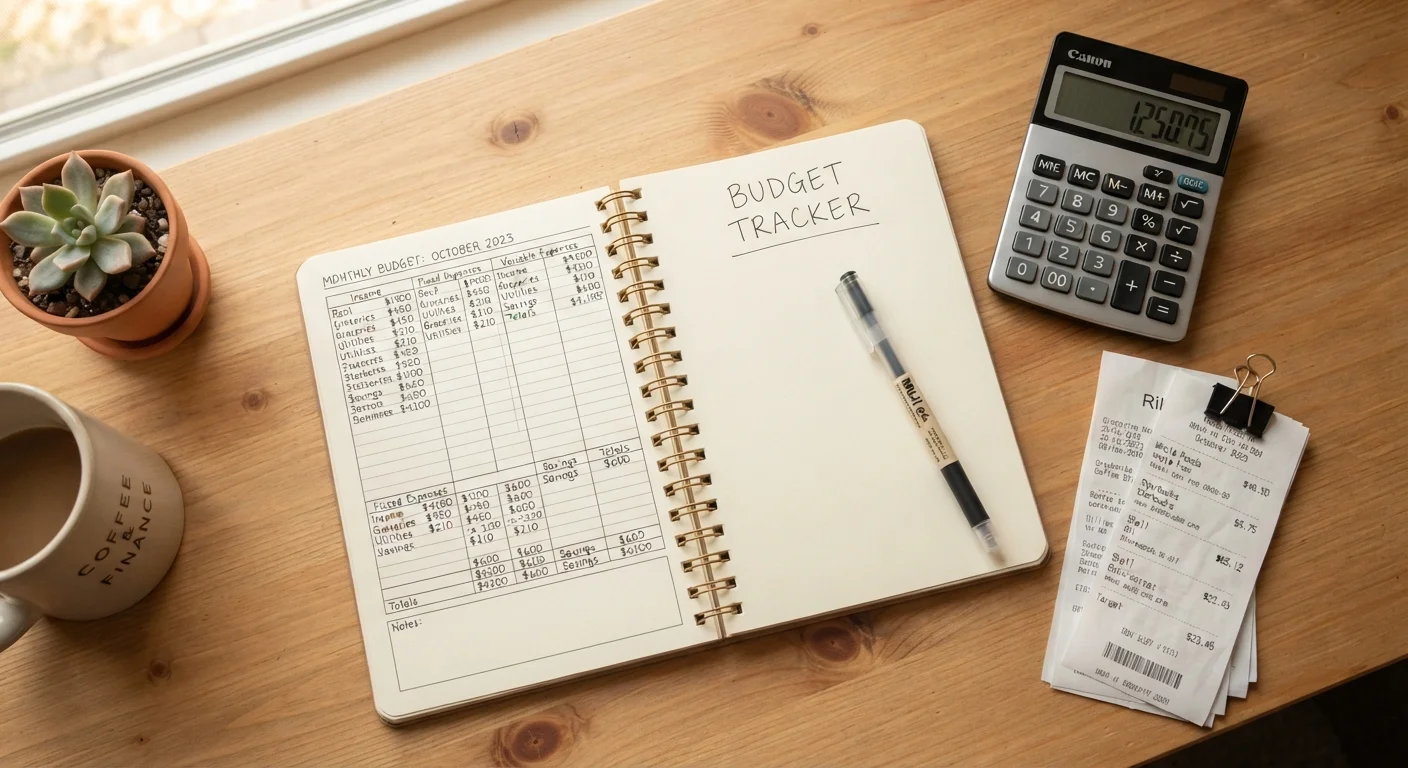
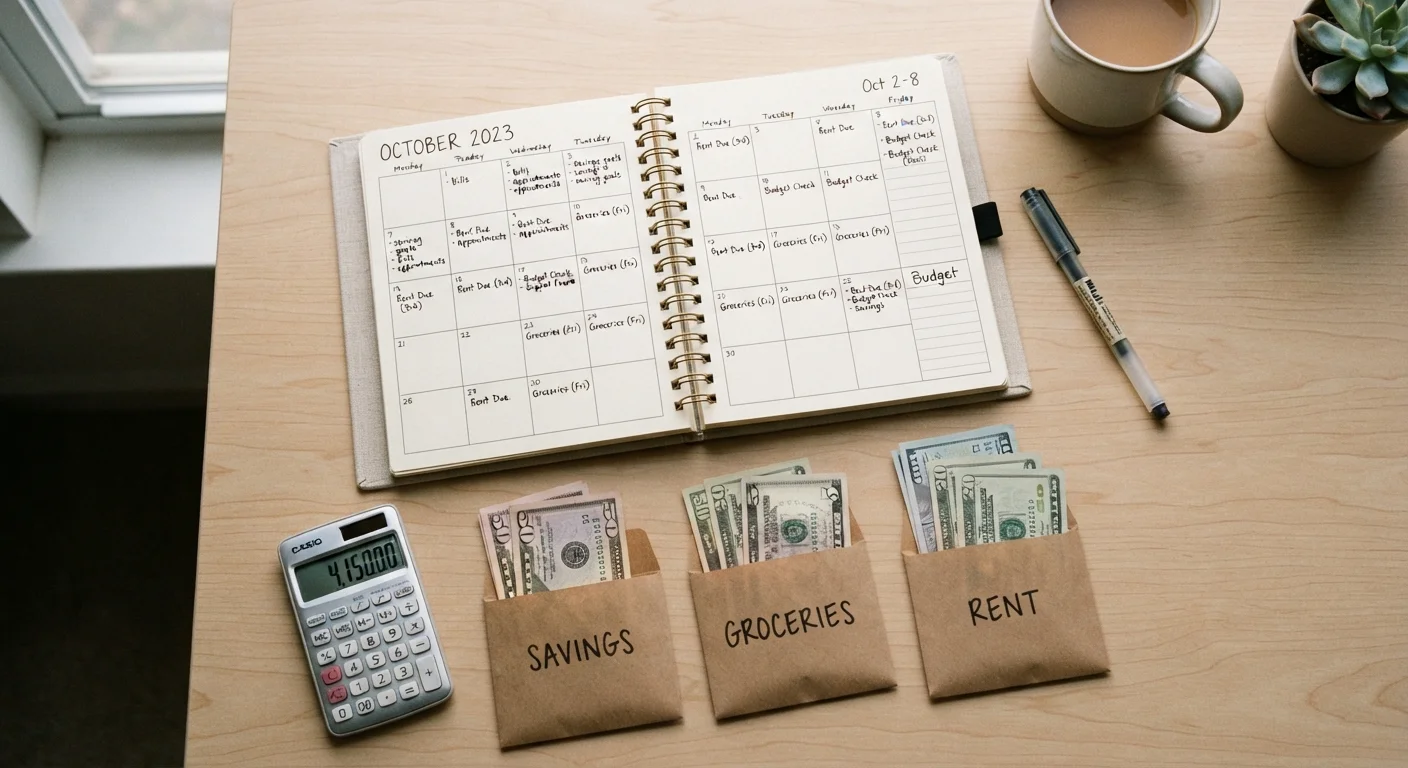
The process starts with one number: your total expected income for the month. From there, you list every category where money will go, fixed costs like rent and insurance, variable necessities like food and fuel, discretionary spending like dining out, and financial goals like savings or loan payments. You keep assigning amounts until the sum of all categories equals your income exactly.
That final zero is the point. A traditional budget might set rough limits by category and track how close you stayed. Zero-based budgeting requires you to account for every dollar before the month begins, so there is no pool of unassigned money that quietly disappears into small purchases.
If your income is $3,800 this month, every dollar of that $3,800 gets a label. When the categories add up to $3,800, you are done. If they add up to $3,600, you assign the remaining $200 to a category, perhaps extra debt payment or a vacation fund, before the month starts.
Build a miscellaneous category on purpose
Even a well-planned zero-based budget will face surprises. Assign a small 'miscellaneous' or 'buffer' category, perhaps $50 to $100, as part of your monthly plan. This gives you a designated place for genuinely unexpected small expenses without derailing other categories.
This differs from methods like the 50/30/20 rule, which allocates income by broad percentages. For a comparison of those frameworks, see how the 50/30/20 rule and envelope budgeting compare.
Why the monthly reset matters
Most budgets fail because they treat last month's spending as a reasonable baseline for this month. Zero-based budgeting does not carry categories forward automatically. You rebuild the plan each month based on what is actually happening in your life.
This matters for catching lifestyle creep, the gradual rise in spending that happens when small increases in subscriptions, dining, or convenience purchases go unexamined. When you have to actively assign a dollar amount to every category each month, you notice that the streaming services now total $65 instead of $30, or that the grocery budget crept up $80 without a corresponding change in eating habits.
Budgets commonly fall apart by the second week precisely because the initial plan did not account for irregular expenses or left too many dollars unassigned. The monthly rebuild forces those gaps into the open.
1 in 3
Americans without a formal monthly budget
According to a 2023 NFCC (National Foundation for Credit Counseling) survey, roughly one-third of U.S. adults do not maintain any formal monthly spending plan.
$1,000+
Annual cost of untracked subscriptions and fees
Research from C+R Research found that consumers underestimate their monthly subscription spending by more than 100%, with actual costs often exceeding $200 per month.
Who benefits most from this method
Zero-based budgeting is a good fit for people who have tried looser budgeting methods and found money disappearing without explanation. It is also useful for households working toward a specific financial goal, paying off debt, building an emergency fund, or saving for a large purchase, because it forces those goals to compete directly with discretionary spending on paper, before money moves.
It suits people with consistent monthly income most naturally. If you receive a regular paycheck, you know your starting number and can plan around it. Variable earners can use the method, but need to set their base using a conservative income estimate and prepare a priority list for surplus dollars in higher-earning months.
The method is less suited to people who find detailed monthly planning burdensome and are unlikely to maintain it. A simpler framework, like the approach covered in building your first monthly budget in six steps, may be a better starting point for someone new to budgeting entirely.
For those who do stick with it, zero-based budgeting connects daily spending decisions to longer-term priorities. When every dollar already has a job, impulse spending requires a conscious choice to reassign dollars from somewhere else, which tends to reduce it. Building savings alongside this habit supports the broader goal of financial stability, as outlined in saving and emergency fund strategies.
Getting started without overcomplicating it
The first step is gathering one month of actual spending data to use as a reference. You do not need it to be perfect; you need it to be honest. Look at bank statements and identify categories where you genuinely spend money, including the irregular ones like annual subscriptions, car registration, or holiday gifts, converted to a monthly average.
Build your categories in order of priority. Start with fixed necessities, then variable necessities, then financial goals, then discretionary spending. This order matters because it means non-negotiables and savings get assigned first, and discretionary spending gets what is left rather than competing on equal footing.
After your first month, review what worked and what did not. Underspending a category means you may have over-allocated; overspending means the allocation was too low or spending behavior needs attention. The monthly budget audit checklist is a practical tool for that review. Adjust the next month's plan before it starts.
If common misconceptions are making it harder to begin, a look at budgeting myths addresses the most frequent ones, including the belief that budgeting only works for high earners or requires cutting out everything enjoyable.
This article is for general informational purposes only and does not constitute personalized financial advice. Consult a qualified financial professional for guidance specific to your situation.