
What to prepare before your dog arrives
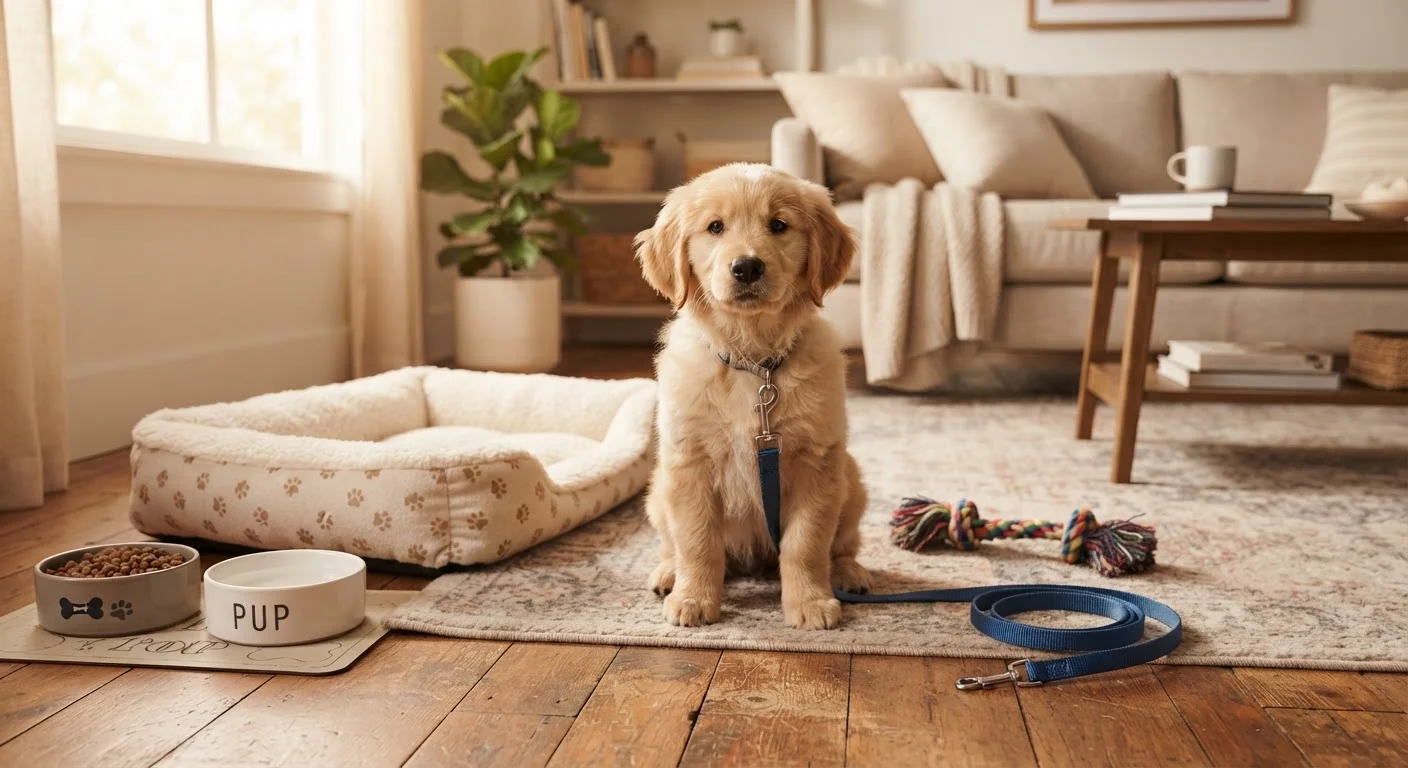
Getting supplies in place before your dog comes home reduces the scramble on day one and gives the animal a stable environment from the first hour. The core list is shorter than most pet-store displays suggest.
You need a crate sized so the dog can stand, turn around, and lie down comfortably. A collar with an engraved ID tag, a 6-foot leash, and a harness if the breed tends to pull. Stainless steel or ceramic food and water bowls are easier to sanitize than plastic. Choose an age- and size-appropriate food and have at least a week's supply on hand. A designated bed or mat gives the dog a consistent resting spot.
Beyond equipment, think about the financial reality. First-year ownership costs are higher than people expect once you factor in spay or neuter surgery, a full vaccination series, and initial supplies. Setting aside a dedicated pet fund for unexpected medical costs is worth doing before the dog arrives. The guide to building an emergency fund covers practical approaches to preparing for irregular expenses.
Puppy-proofing and setting up safe spaces
Dogs investigate the world with their mouths, and puppies do so relentlessly. A walkthrough of your home at dog-level reveals hazards that aren't obvious from standing height.
Secure or remove electrical cords, toxic houseplants (philodendrons, pothos, sago palms, and lilies are common ones to watch for), cleaning products, and medications. Use baby gates or closed doors to limit access to areas you haven't fully secured yet. Trash cans with locking lids prevent both messes and ingestion hazards.
Create a designated space where the dog sleeps and rests. For puppies, a crate in a low-traffic area of a main room often works well. The crate should feel like a retreat, not a punishment zone. Place a worn piece of your clothing inside; the familiar scent reduces anxiety during the first nights.
Introduce the crate before you need it
Leave the crate door open for a day or two with a treat or toy inside before you expect the dog to sleep in it. Letting the dog choose to enter first makes later crating much less stressful. Covering three sides of the crate with a blanket creates a den-like feel that many dogs find calming.
Feeding basics for new dog owners
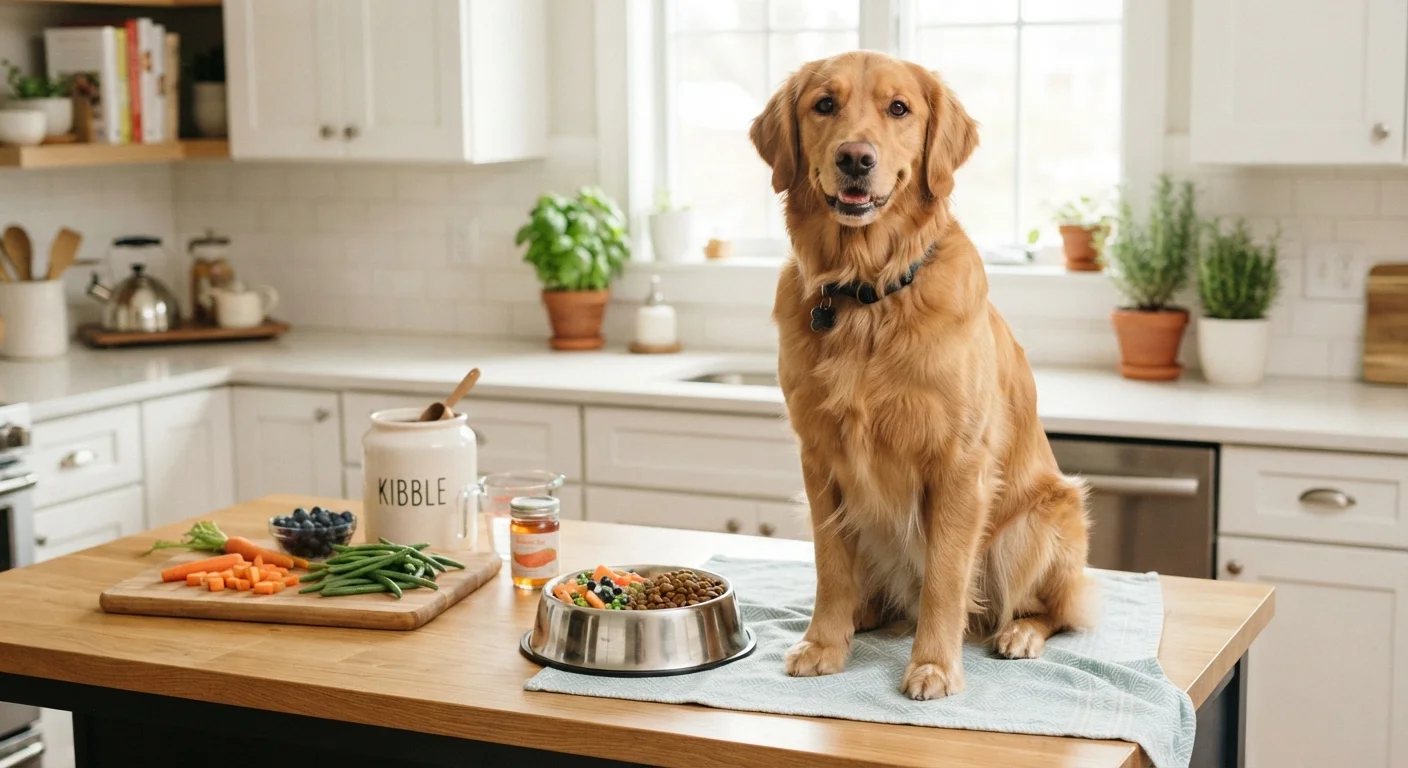
Feed the same food the breeder, shelter, or foster was using for at least the first week. An abrupt switch causes digestive upset. If you plan to change foods, transition gradually over 7 to 10 days by mixing increasing proportions of the new food into the old.
Puppies generally need three meals a day until around 6 months of age; most adult dogs do well on two. Portion sizes on food packaging are starting points. Adjust based on body condition: you should be able to feel the ribs without pressing hard, but not see them prominently.
Fresh water should be available at all times. The type of diet you choose, whether kibble, wet food, or something else, has real nutritional trade-offs worth understanding. The breakdown of raw, kibble, and fresh-cooked diets covers those considerations in detail.
Your first vet visit and ongoing health care
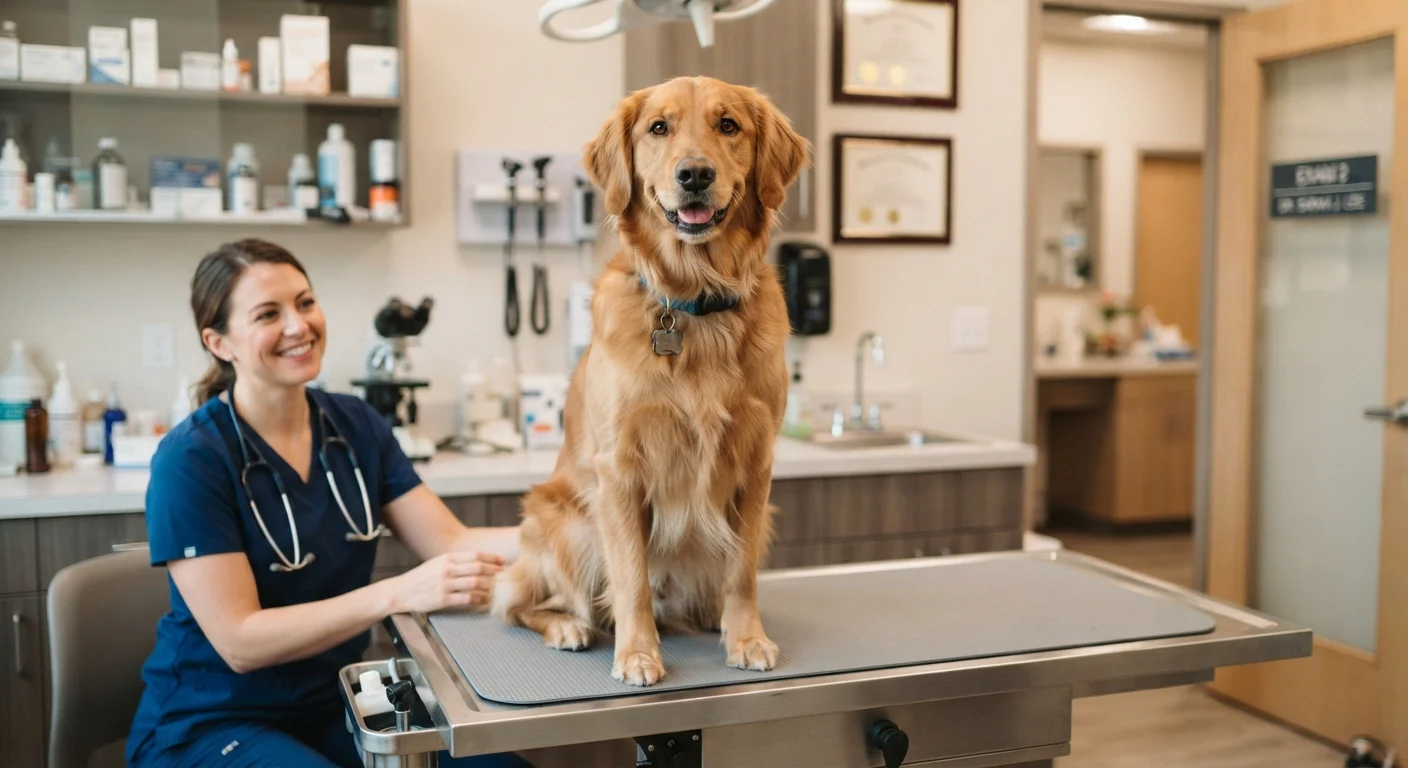
Schedule a wellness exam within the first week. Bring any health records from the source, including vaccination history and deworming dates. Your vet will establish a baseline weight, check for parasites, confirm or begin the vaccination series, and discuss spay or neuter timing if that hasn't happened yet.
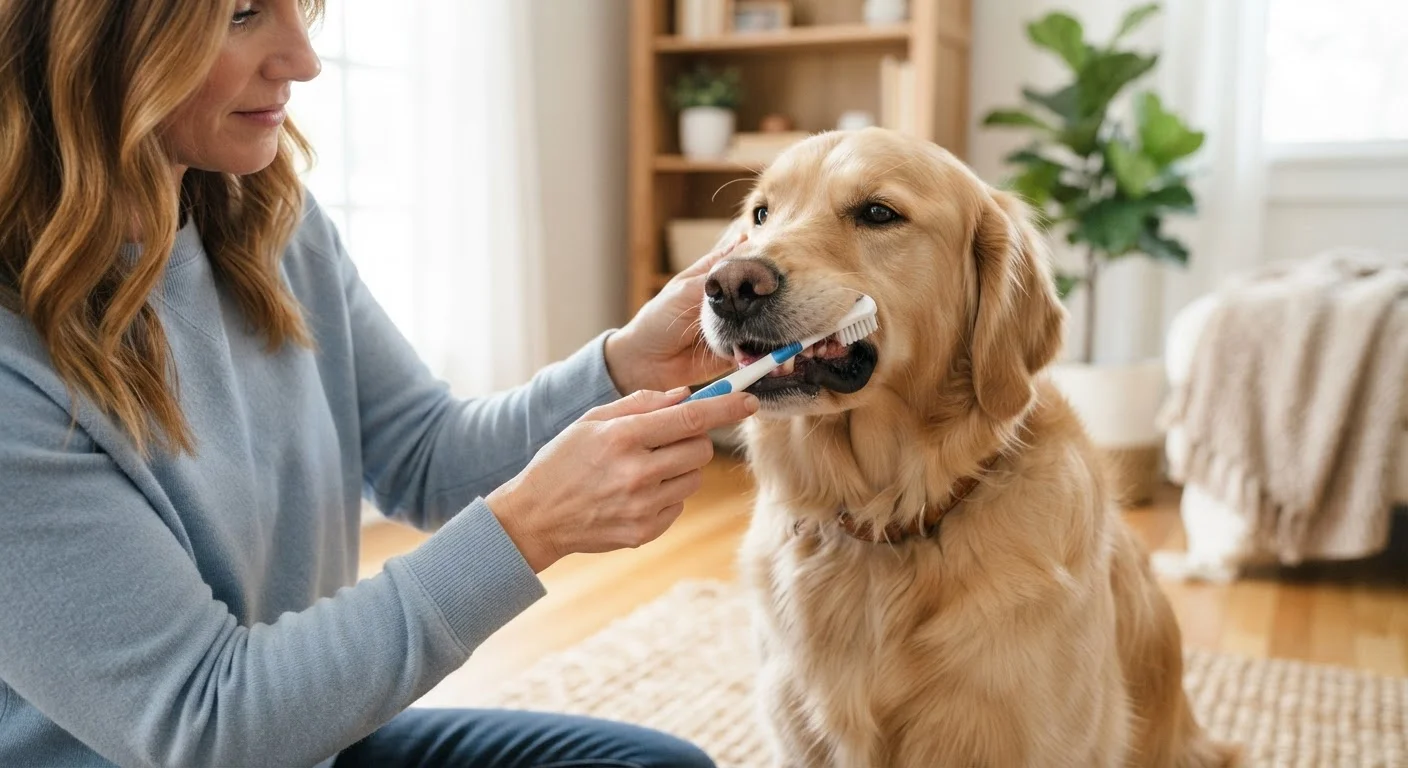
Ongoing preventive care includes annual or biannual wellness visits, monthly heartworm and flea prevention, and dental care. Dental disease is one of the most common conditions in dogs and is largely preventable. The guide to canine dental health describes the specific habits that make a difference.
For a broader view of what routine care looks like across a full year, the annual dog wellness checklist tracks vaccinations, parasite prevention, and weight monitoring by month.
Socialization window
A developmental period, roughly 3 to 16 weeks in puppies, when positive exposure to new experiences has a lasting effect on adult behavior and temperament.
Body condition score
A numerical scale vets use to assess whether a dog is underweight, at a healthy weight, or overweight based on visible and palpable physical signs.
Positive reinforcement
A training method that rewards desired behaviors with treats, praise, or play so the dog is more likely to repeat them. It avoids punishment for unwanted behavior.
Core vaccines
Vaccinations recommended for all dogs regardless of lifestyle, typically covering distemper, parvovirus, adenovirus, and rabies.
Enzymatic cleaner
A cleaning product that uses enzymes to break down the proteins in pet waste, eliminating odor rather than masking it and reducing the chance a dog returns to the same spot.
Early training and settling in
Training starts the moment your dog enters the home, whether you intend it to or not. Every interaction teaches the dog what behavior gets attention and what doesn't. Short, positive sessions of 5 to 10 minutes with treats and praise are more effective than long drills.
Start with name recognition and a recall cue. Sit and leave it follow naturally. Puppies between 8 and 16 weeks go through a sensitive socialization period when exposure to different people, sounds, surfaces, and environments shapes their adult temperament. Controlled, positive exposure during this window matters more than formal obedience practice.
House training requires consistency more than anything else. Take the dog outside after every meal, nap, and play session. Reward the moment elimination happens outdoors. Accidents indoors are a supervision gap, not disobedience. Clean them with an enzymatic cleaner to remove odor cues that prompt repeat visits to the same spot.