
Why canine dental disease is so common
By age three, most dogs show some degree of periodontal disease, according to the American Veterinary Dental College. The condition progresses from plaque buildup to tartar hardening on the tooth surface, then to gum inflammation (gingivitis), and eventually to the destruction of bone and tissue that support the teeth. Left untreated, it can allow bacteria to enter the bloodstream and affect organs including the heart, kidneys, and liver.
Unlike humans, dogs rarely show obvious pain from dental problems until disease is advanced. That means owners are often the first line of detection. Bad breath that goes beyond normal dog smell, brown or yellow deposits near the gumline, swollen gums, or a reluctance to chew hard food are all signs worth discussing with a veterinarian. Dental care fits naturally into a broader wellness routine; see the annual dog wellness checklist for how to track it alongside other health priorities.
The habits that actually make a difference
Not all dental products marketed for dogs deliver meaningful results. The habits below have veterinary backing and are realistic for most dog owners to maintain.
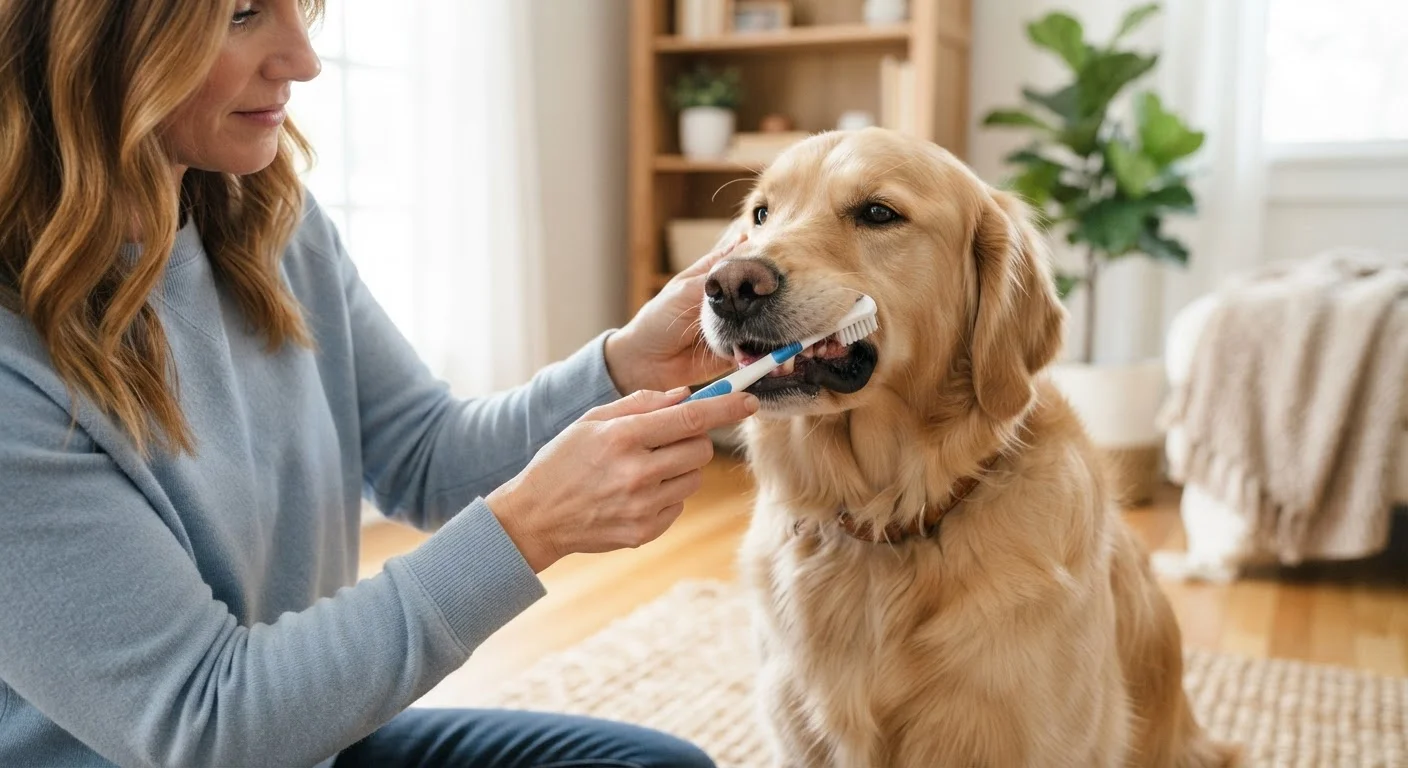
Brush your dog's teeth daily using a toothbrush and toothpaste formulated for dogs.
Plaque is a soft film that forms within hours of eating. Daily brushing disrupts it before it mineralizes into tartar, which cannot be removed by brushing. Human toothpaste contains fluoride and xylitol, both toxic to dogs, so species-appropriate products are required.
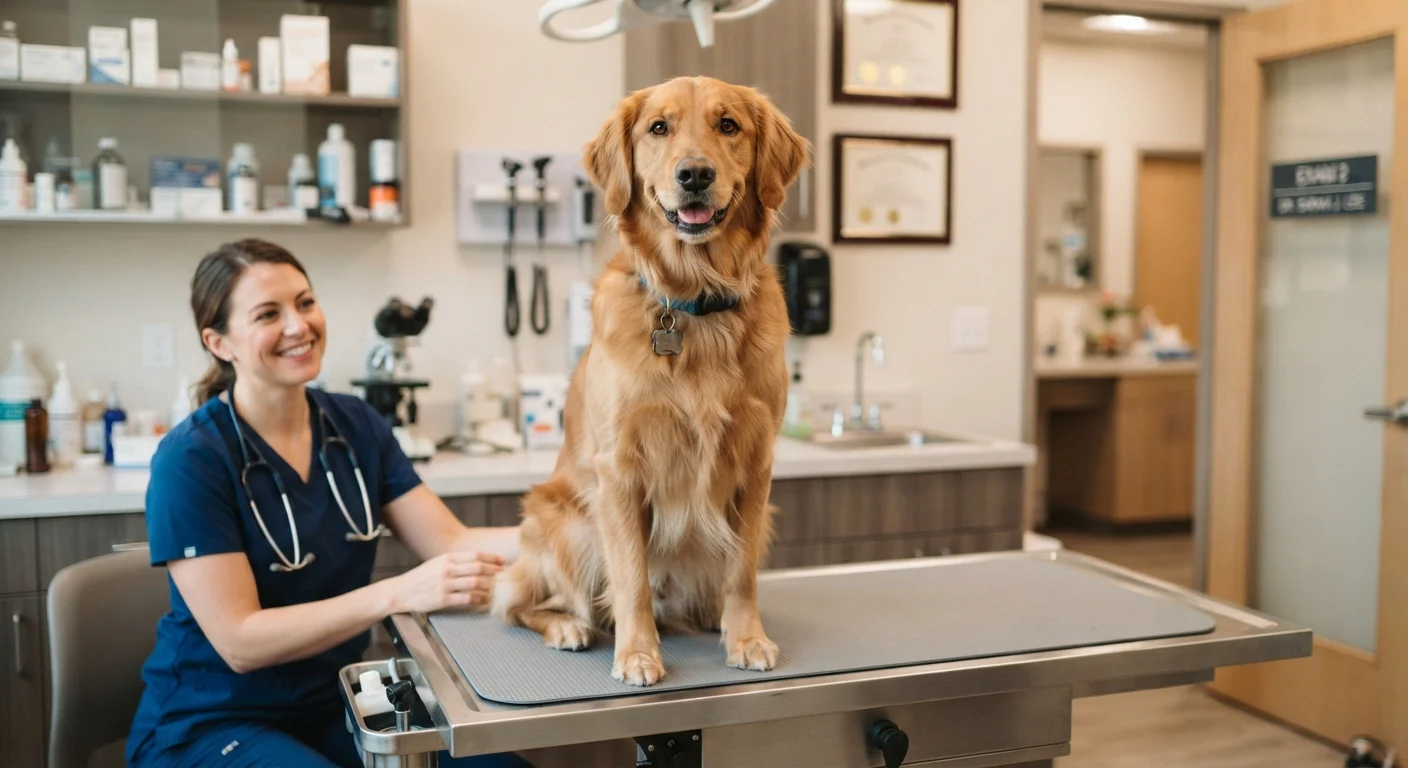
Schedule a professional veterinary dental cleaning at least once a year.
Tartar below the gumline cannot be addressed at home. Annual professional cleanings let a veterinarian catch early periodontal disease, remove calculus, and extract teeth that have become unsalvageable, preventing spread of infection.
Offer veterinary-approved dental chews as a supplement to brushing, not a replacement.
Mechanical chewing action can reduce plaque on tooth surfaces. The Veterinary Oral Health Council (VOHC) publishes a list of products that have met their efficacy standards for plaque or tartar control, giving owners a reliable filter for choosing chews.
Check your dog's mouth monthly for early warning signs.
Catching gingivitis early, before it becomes periodontitis, is the difference between a reversible condition and one requiring tooth loss and bone repair. Owners who look regularly learn their dog's baseline and notice changes faster.
Avoid hard objects that can fracture teeth.
Slab fractures (where a large piece of tooth shears off) are common in dogs given very hard chew items. Fractured teeth expose the pulp to bacteria and typically require extraction or root canal treatment. A general rule from veterinary dentists: if you would not want to be hit on the knee with it, it is too hard for your dog's teeth.
Diet also interacts with dental health in ways owners sometimes overlook. Some feeding approaches affect how much residue stays on the teeth after meals. The comparison of raw food, kibble, and fresh-cooked diets covers trade-offs worth considering when factoring dental impact into feeding decisions.
Quick steps you can start today
Starting dental care with a puppy is easier than retraining an adult dog, but it is possible at any age. Positive reinforcement techniques help dogs accept toothbrushing as a routine rather than a struggle, making consistent care much more achievable.
When home care is not enough
Home habits slow disease progression but cannot reverse tartar that has already hardened or treat infection below the gumline. A professional veterinary cleaning, done under anesthesia, allows thorough scaling above and below the gumline, probing for pockets, and extraction of teeth that cannot be saved. Most vets recommend annual cleanings for adult dogs, though some breeds (particularly small breeds prone to crowded teeth) may need them more often.
Cost is a genuine barrier for many owners. A professional cleaning typically runs several hundred dollars once pre-anesthetic bloodwork and monitoring are included. Consistent home care lowers how frequently cleanings are needed and can reduce how severe each procedure must be. In that sense, the relationship between daily brushing and vet bills works similarly to how routine maintenance reduces repair costs in other areas of ownership, as covered in this piece on small maintenance habits that prevent expensive repairs.
If your dog already has visible tartar, swollen gums, or persistent bad breath, a veterinary exam is the right starting point before adding home care products. A vet can assess current disease stage and recommend whether a cleaning is needed before home brushing begins.
This article is for informational purposes only and is not a substitute for professional veterinary advice. Consult your veterinarian for guidance specific to your dog's health.