
Why small habits carry outsized consequences
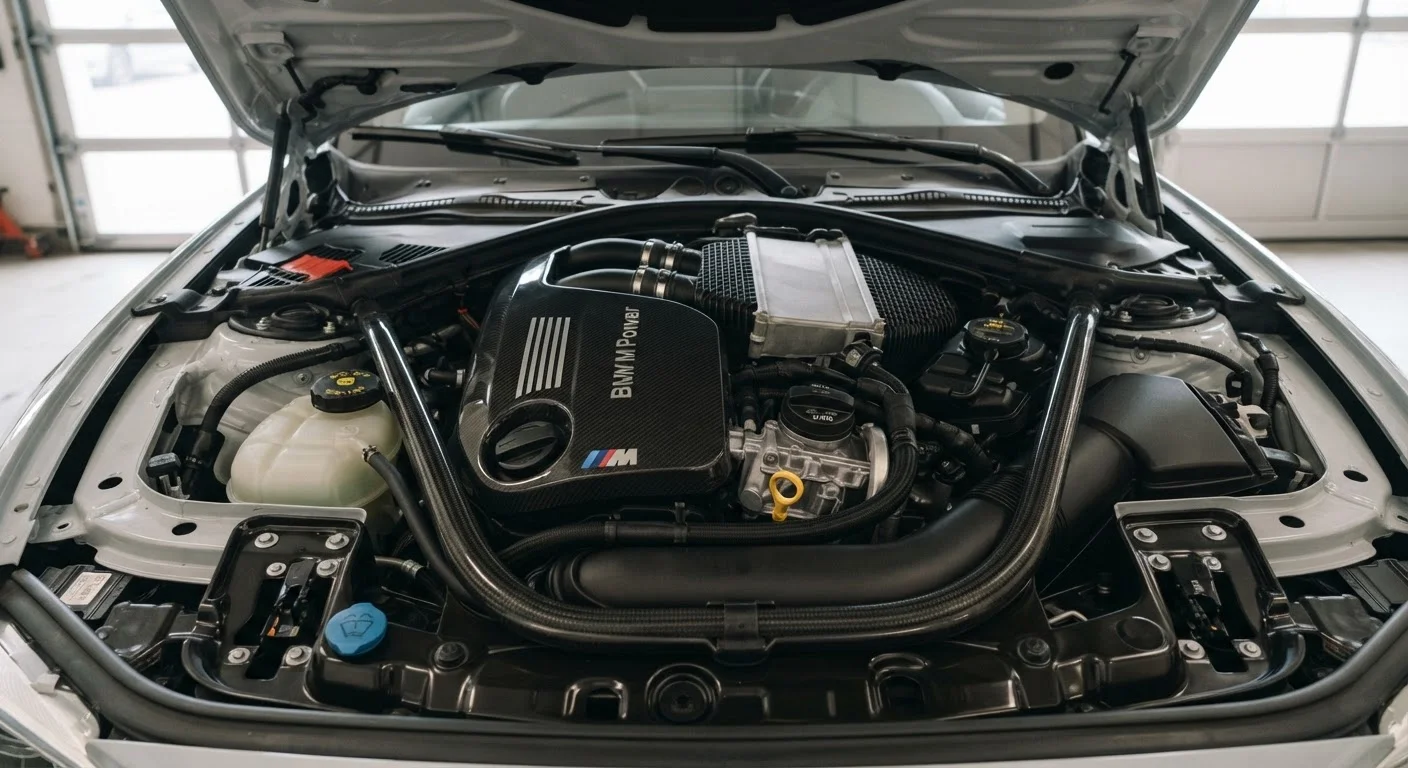
A $12 cabin air filter left unchanged for three years can force the HVAC blower motor to work so hard it burns out, producing a repair bill that can exceed $400. That pattern, where a minor, inexpensive item leads to a costly component failure, repeats across nearly every vehicle system. The relationship is not random. Friction, heat, contamination, and corrosion build gradually. Small habits interrupt those processes before they compound.
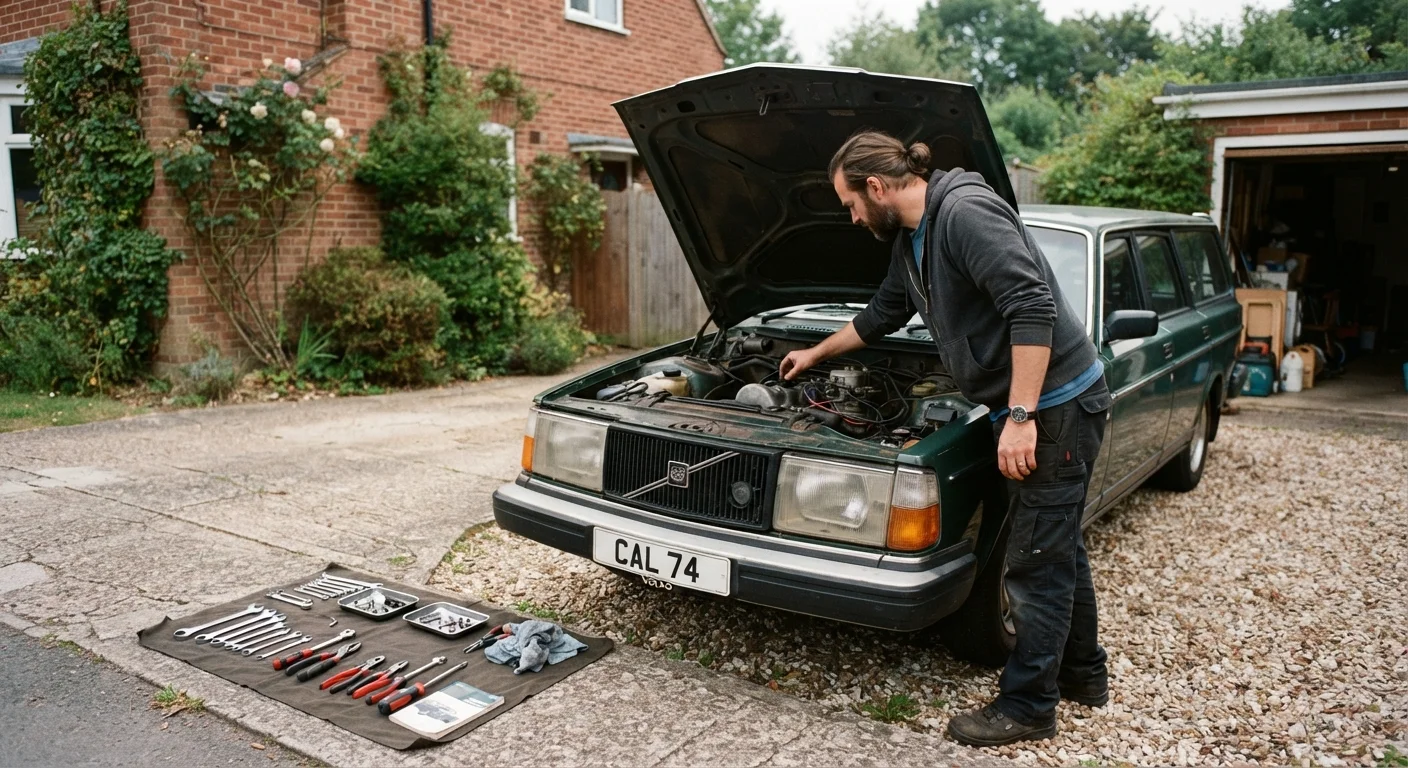
Understanding this is half the battle. Drivers who treat maintenance as optional spending until something breaks typically pay far more over any given five-year period than drivers who follow a consistent, modest upkeep routine. If you want the framework behind each service interval, Your Car's Maintenance Schedule, Decoded breaks down what each milestone actually means.
The checks you should do every month
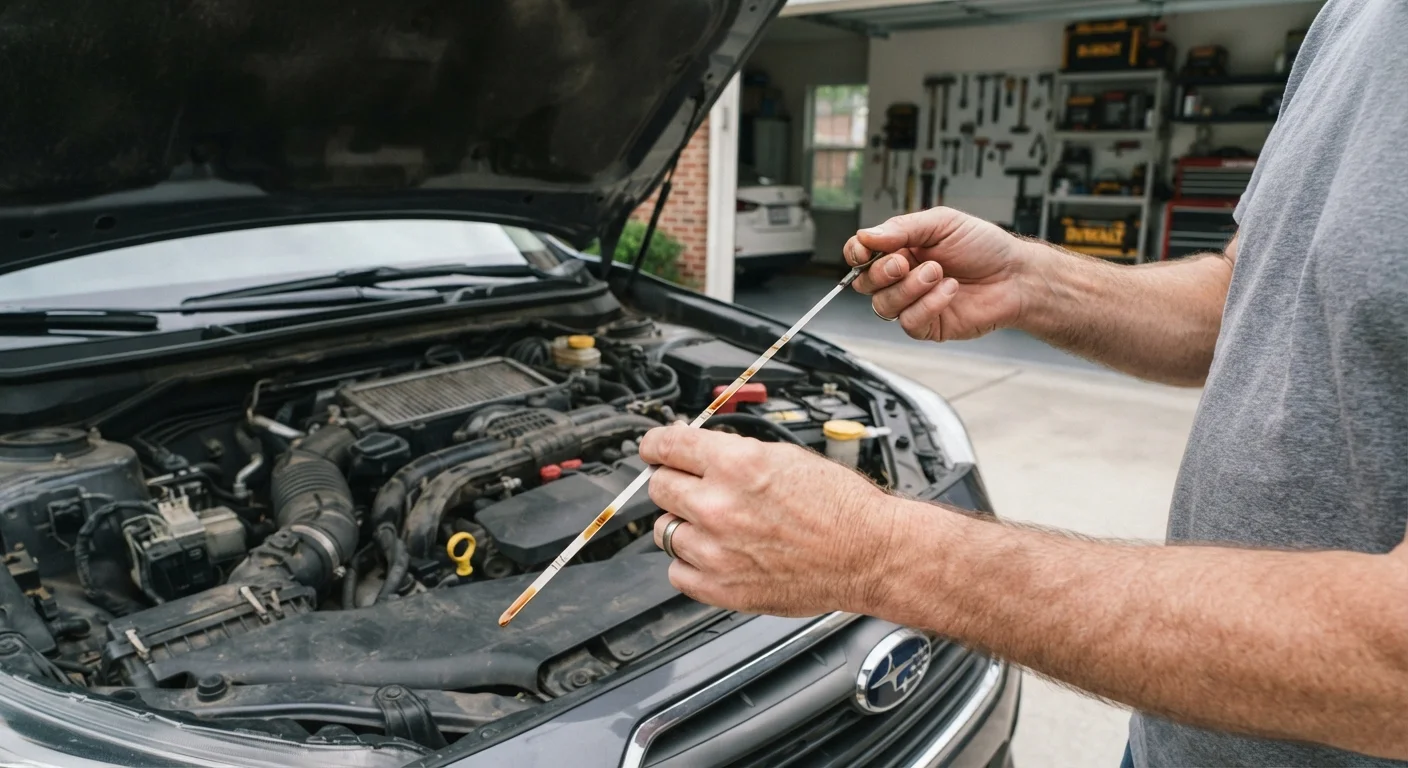
Monthly checks require no tools and less than 15 minutes. Engine oil is the most time-sensitive item. Pull the dipstick with the engine cold, wipe it clean, reinsert it fully, and read the level. Oil that sits below the minimum mark or looks gritty and black needs attention before the next scheduled change. Low oil pressure starves bearings and cylinder walls of lubrication; the damage that follows is often irreversible without a full engine rebuild.
Tire pressure deserves equal attention. Tires lose roughly 1 PSI per month under normal conditions, and more in cold weather. Underinflated tires wear unevenly, reduce fuel economy, and increase the risk of a blowout at highway speeds. A basic digital gauge costs a few dollars and lasts years. Check coolant level in the reservoir at the same time. A sudden drop in coolant often signals a slow leak that, left alone, can cause overheating and a cracked cylinder head.
Habits tied to your service intervals
Your owner's manual lists specific mileage and time thresholds for oil changes, transmission fluid, brake fluid, spark plugs, timing belts or chains, and other items. These are not conservative estimates padded for dealer profit. Engineers set them based on material degradation rates under real operating conditions.
Brake fluid absorbs moisture over time, which lowers its boiling point. In a hard braking situation, degraded fluid can vaporize inside the lines and cause a sudden, dangerous loss of pedal pressure. Most manufacturers recommend flushing brake fluid every two years regardless of mileage. Spark plugs that fire weakly put extra load on ignition coils; replacing worn plugs on schedule often prevents a coil replacement that costs several times more.
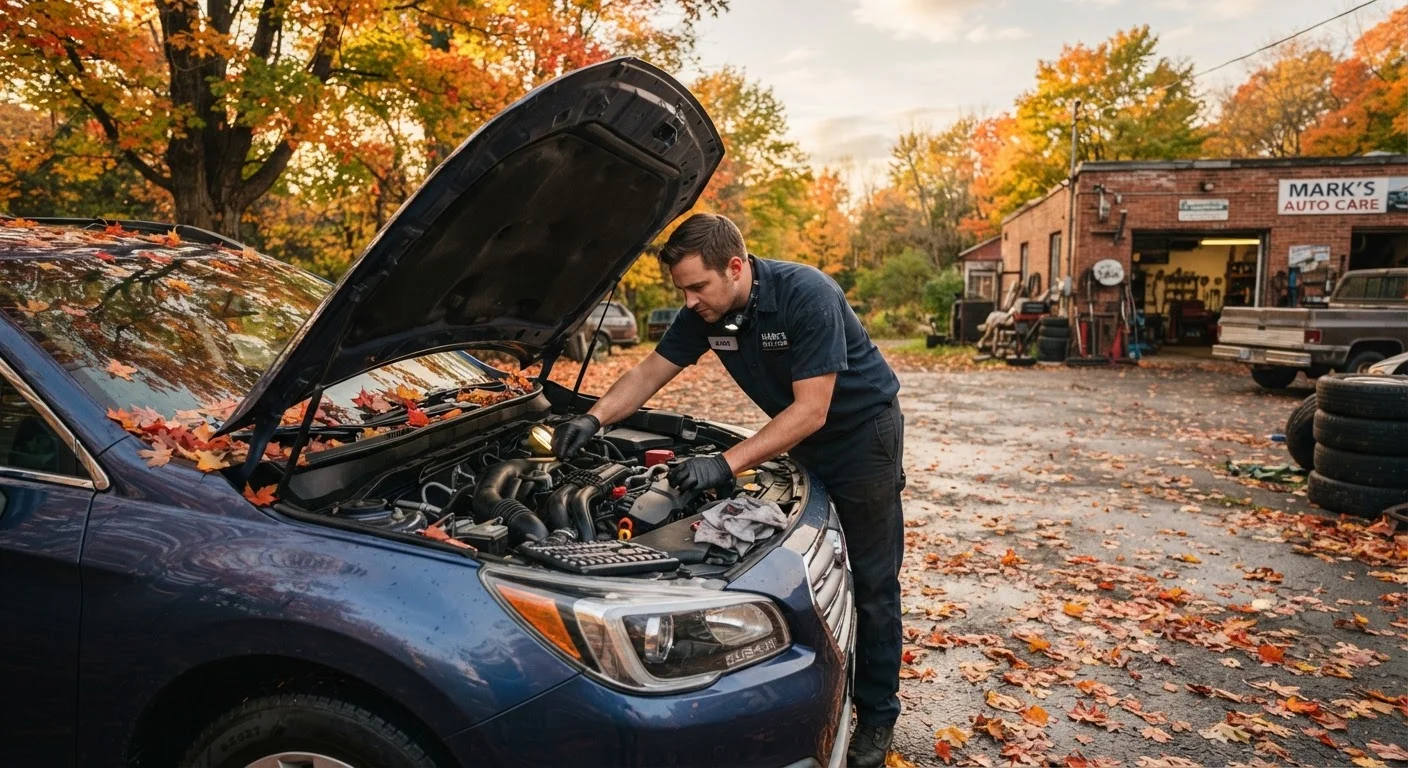
For a practical breakdown of which tasks fall within a careful driver's skill level and which genuinely require a professional, see DIY Maintenance vs. Taking It to a Shop.
Reading your car's warning signals
Dashboard warning lights are not suggestions. An illuminated check engine light with no other symptoms often means a minor fault, such as a loose gas cap or a failing oxygen sensor, but ignoring it means you lose visibility into anything more serious that appears later. A flashing check engine light, by contrast, typically indicates active misfiring that can destroy a catalytic converter within miles. Get it read promptly.
Sounds tell a similar story. A faint grinding when braking usually means worn brake pads have reached the metal wear indicator. Driving another week on that sound risks scoring the rotors, turning a $150 pad replacement into a $400 rotor-and-pad job. A chirping belt on cold mornings signals cracking or glazing; a snapped serpentine belt leaves the car undriveable and can damage the power steering pump and alternator in the process.
Safe driving habits and vehicle health are connected. The habits that separate safe drivers from lucky ones include mechanical awareness alongside road behavior.