
Why habits matter more than skill
Most drivers rate themselves as above average. That self-assessment shapes how they approach every trip: with the assumption that quick reactions will cover any gap in preparation. The problem is that collision avoidance rarely comes down to a single moment of sharp reflexes. It comes down to the dozens of small decisions made in the minutes before that moment, which is where habits do their work.
Defensive and reactive driving can look identical on a quiet road. The difference appears when something unexpected happens. A driver who has already identified an exit route, checked mirrors recently, and maintained adequate space has options. A driver who was coasting on confidence does not.
The habits described here are not advanced techniques. They are consistent behaviors that reduce the probability of a crash across thousands of trips, not just a handful of close calls.
Core habits that reduce collision risk
These practices target the most common failure points in everyday driving. Each one is straightforward to adopt and compounds in value the more consistently it is applied.
Maintain a following distance of at least three seconds under normal conditions
Reaction time plus braking distance requires more space than most drivers leave. Tailgating is a direct cause of rear-end collisions, which are among the most common crash types on U.S. roads. Three seconds gives an average driver time to perceive a hazard, decide, and begin braking before contact.
Scan intersections actively before entering, even on a green light
A green signal gives you the right of way, not a guarantee that no one else is moving through the intersection. Red-light running and late turns account for a significant share of angle crashes. A brief left-right check before committing adds very little time and catches potential violations before they become collisions.
Keep your eyes moving and resist the habit of fixed forward staring
A static gaze narrows your awareness of the road environment. Drivers who scan regularly, checking mirrors every five to eight seconds and sweeping the road ahead, spot hazards earlier and have more time to respond. Fixed staring also increases the chance of target fixation, where the driver steers toward the object they are focused on.
Establish and protect a no-phone policy for the entire trip, not just while moving
Picking up a phone at a red light creates a habit that does not stay confined to stationary moments. The impulse to check a notification while moving follows from the same pattern. Treating the phone as off-limits from engine start to destination builds a cleaner habit and removes the judgment call entirely.
Adjust speed to conditions, not just the posted limit
Speed limits reflect safe travel under good conditions. Rain, darkness, heavy traffic, road construction, and fatigue all reduce the margin that speed limits assume. A driver traveling at the legal limit in heavy fog may still be moving too fast to stop in time for a hazard within their sight distance.
Weather compounds every risk on this list. For a closer look at how to adjust speed, braking, and visibility habits when conditions deteriorate, see driving in rain, snow, and fog.
The distraction problem is larger than most drivers think
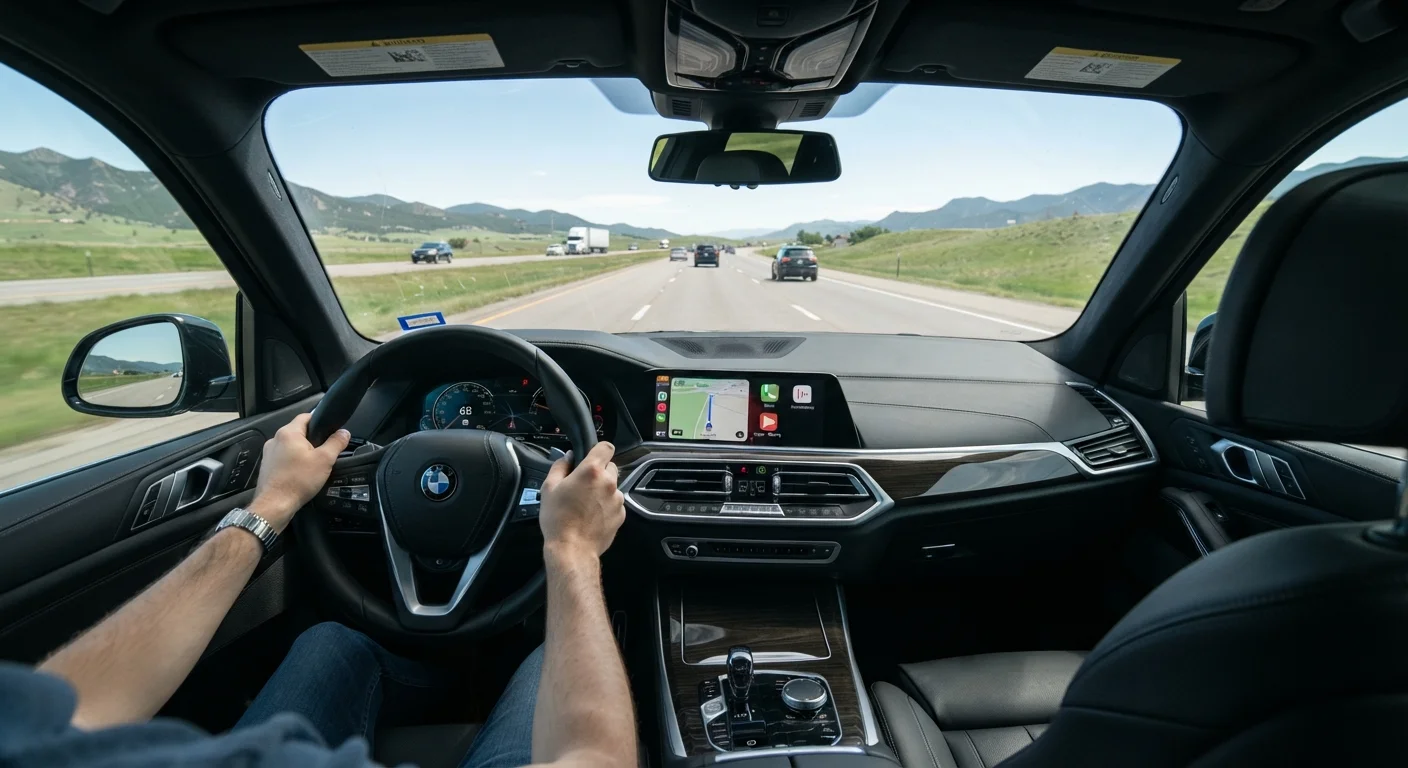
Many drivers accept some level of distraction as normal. Glancing at a navigation prompt, adjusting the climate controls, or taking a hands-free call all feel manageable because nothing bad has happened yet. The National Highway Traffic Safety Administration (NHTSA) has consistently identified distraction as a factor in a substantial share of crashes each year, and the data includes hands-free interactions, not just handheld phone use.
Cognitive load, not just eye contact with a screen, is the issue. A driver whose attention is partly on a conversation processes road events more slowly, even when looking straight ahead. For a detailed breakdown of the misconceptions drivers carry about this topic, the article on common beliefs about distracted driving is worth reading before dismissing the risk.
Vehicle condition as a safety habit
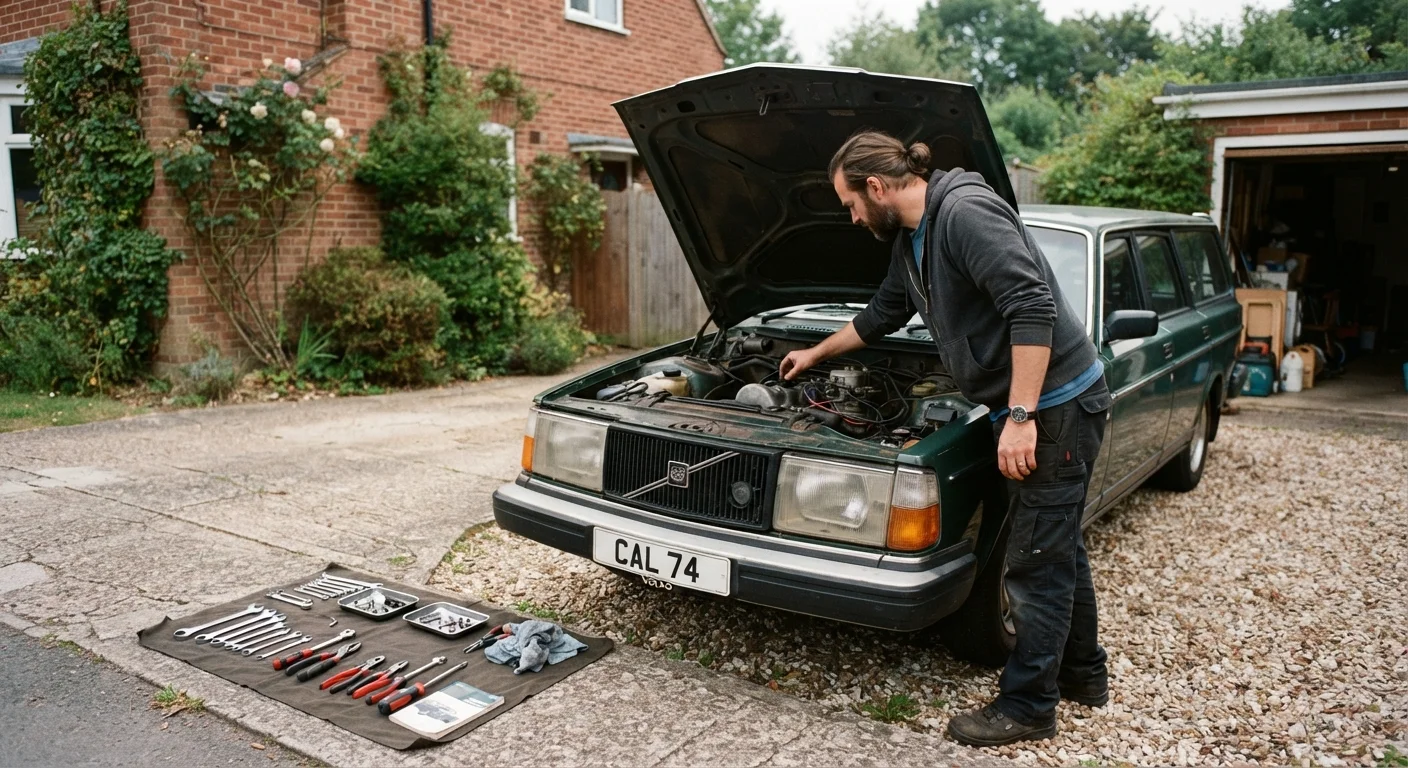
Driver behavior and vehicle condition are not separate categories. A driver who leaves tire pressure unchecked, ignores brake fade, or lets wiper blades degrade has effectively reduced their margin for error before the trip begins. Tires at the correct pressure grip the road as designed. Brakes that are properly maintained stop the car in the distance the driver expects. Burned-out headlights turn night driving into a different and harder problem.
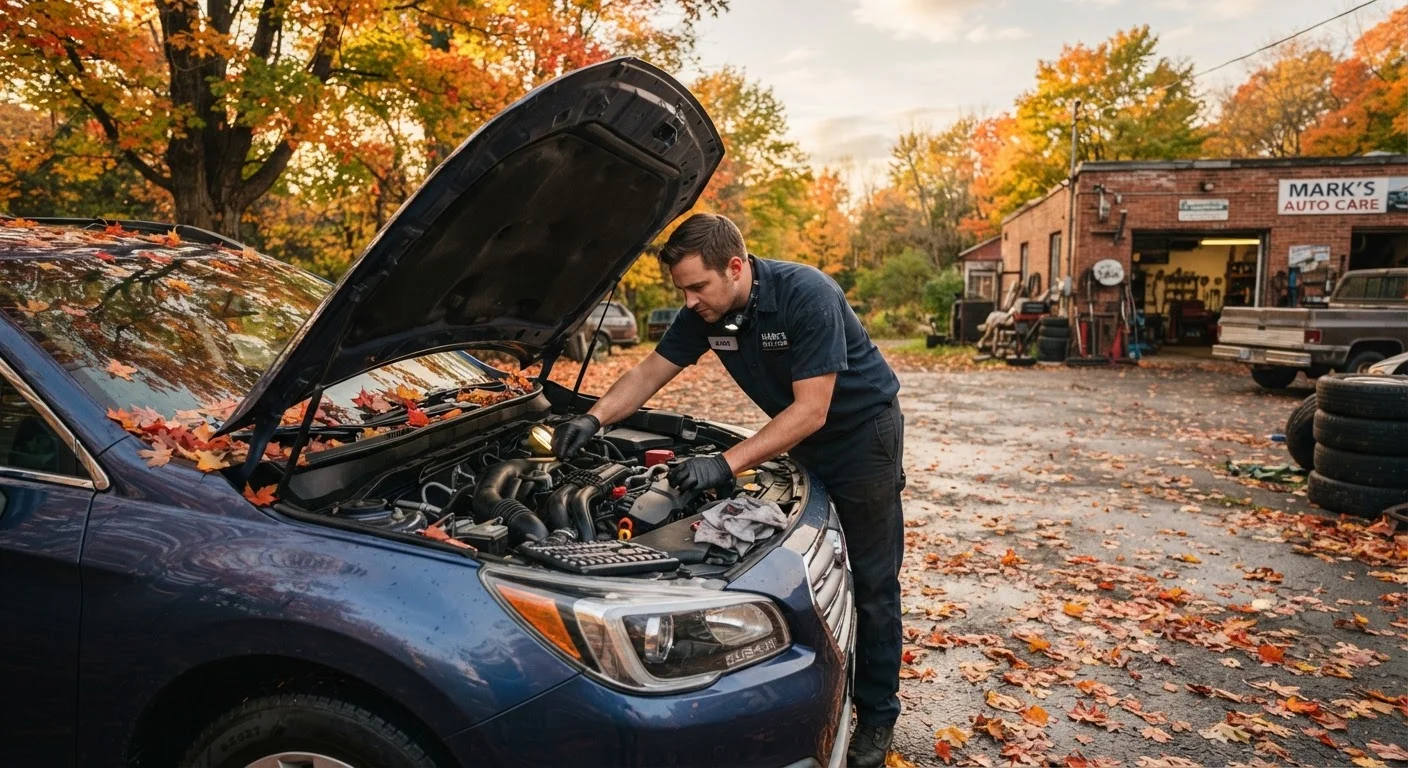
These checks do not require mechanical expertise. A monthly walk-around, a tire pressure gauge, and attention to warning lights cover most of what matters. Small maintenance habits that prevent expensive repairs also prevent the kind of vehicle failures that cause crashes, so the two goals reinforce each other. More reference material on routine upkeep is available through the car maintenance hub.