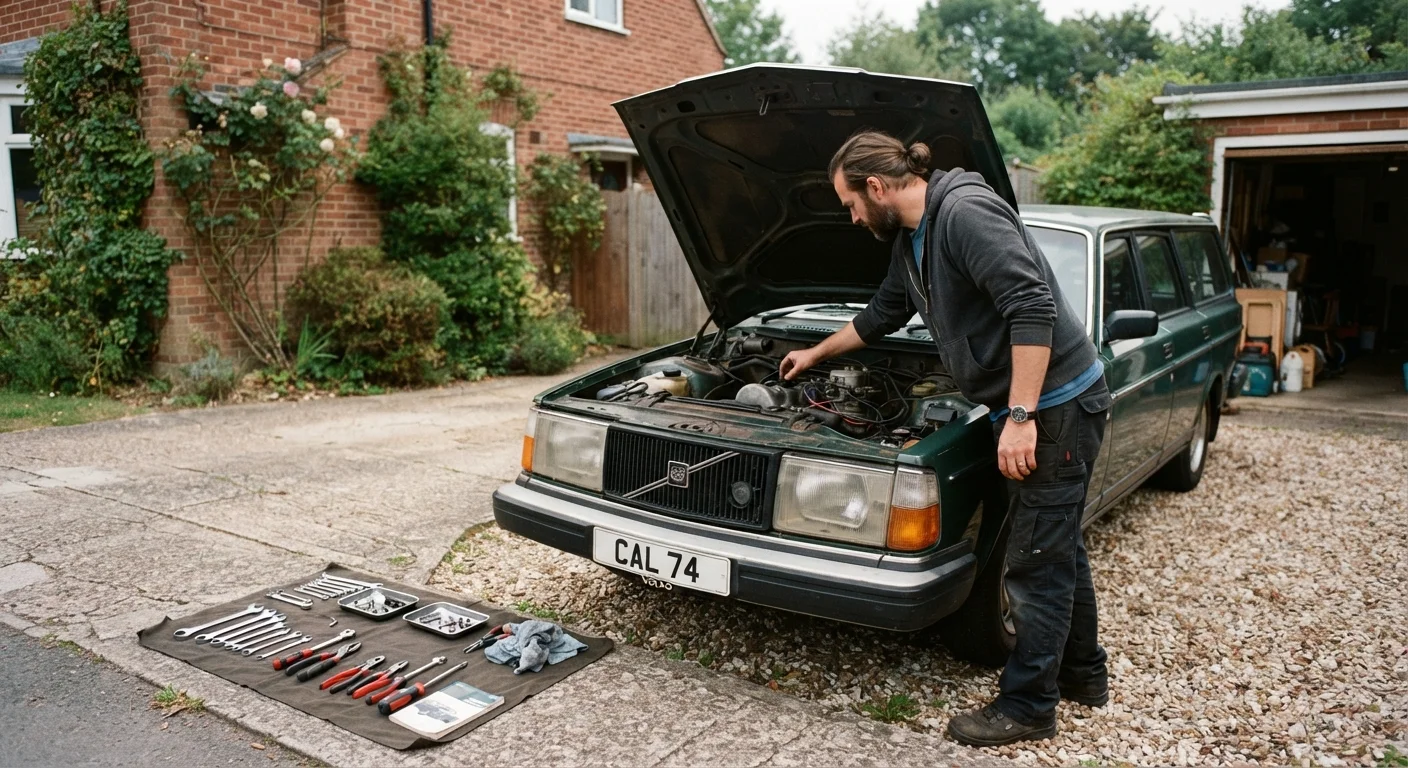

Why seasonal checks matter
Temperature swings, road salt, summer heat, and winter freeze cycles all stress vehicle components in different ways. A car that ran fine in July may show signs of trouble by October, not because anything broke suddenly, but because wear accumulated in conditions the owner never specifically checked for.
This checklist covers the four transition points most American drivers face: end of winter into spring, late spring into summer, end of summer into fall, and fall into winter. Some items apply to every transition; others are specific to one season. The goal is a systematic review you can complete in one to two parking lot sessions, no specialized tools required for most of it.
For context on what each service interval actually requires, see the maintenance schedule guide that walks through owner's manual intervals in plain language.
Tires and wheels
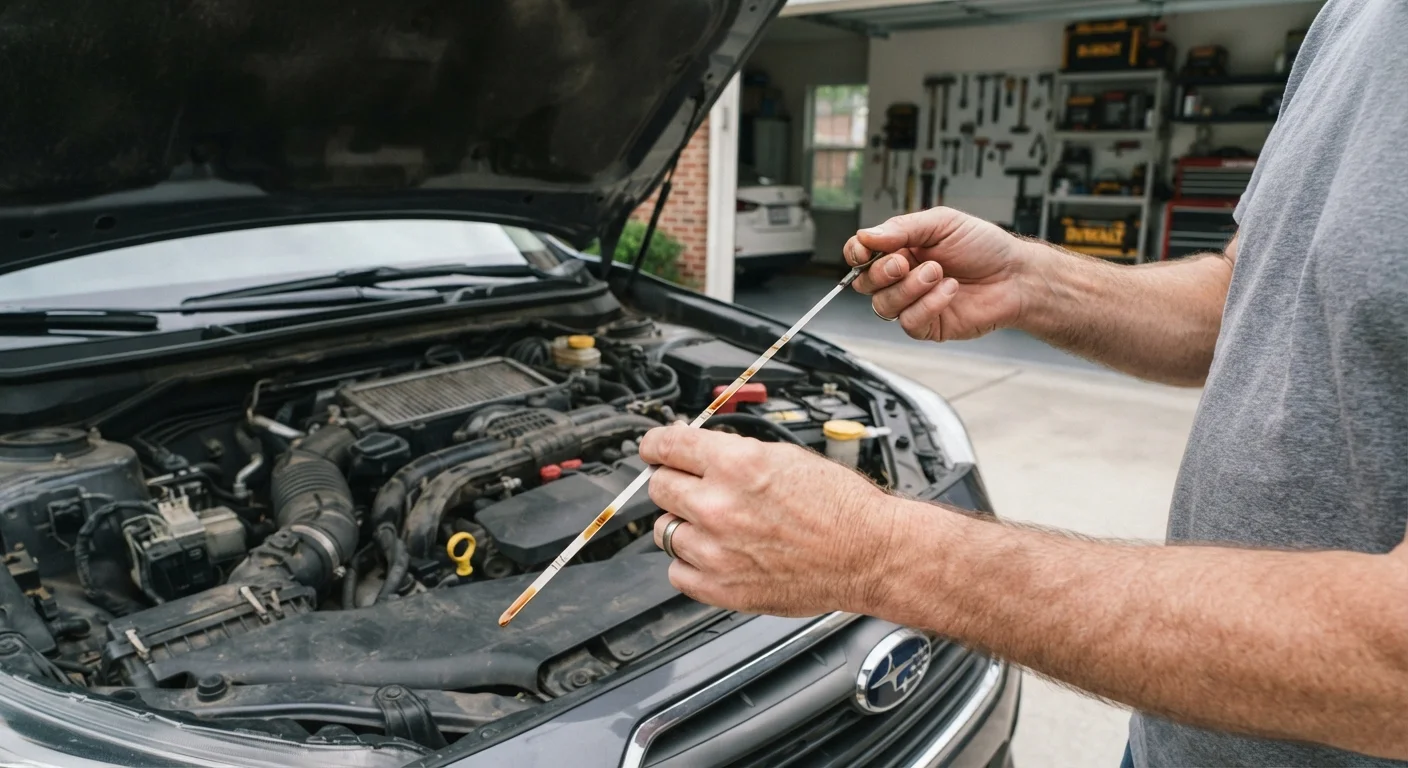
Fluids
Battery and electrical
Brakes and suspension
Visibility and safety systems
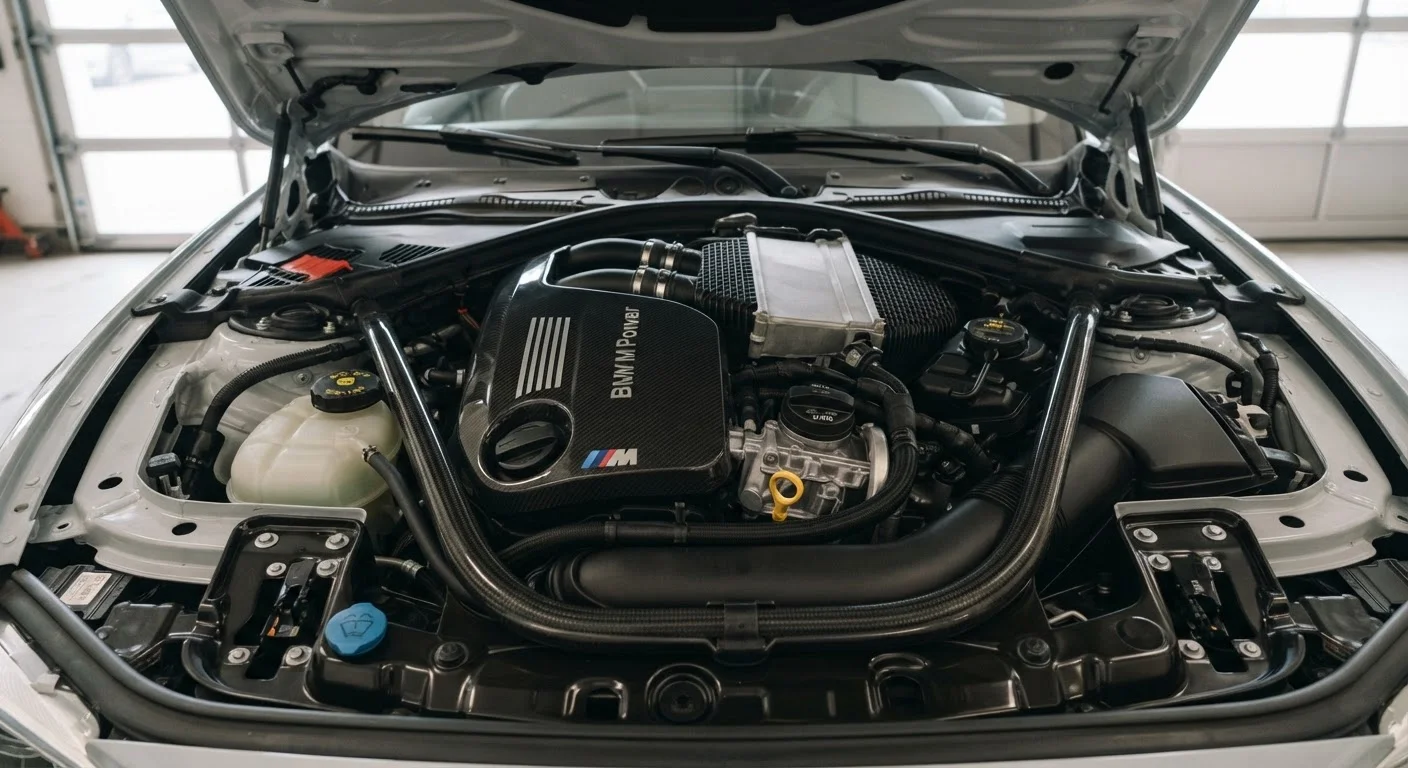
Under the hood
What you need to run this checklist
Most items require only a few minutes and basic tools. A few, such as brake inspection or suspension checks, benefit from a qualified mechanic if you are not comfortable getting under the vehicle.
Tire pressure gauge
Accurately measures tire pressure so you can adjust to the manufacturer's specification.
Tread depth gauge
Measures remaining tread depth in 32nds of an inch, more accurately than the coin test.
Coolant tester (hydrometer or test strips)
Checks the freeze-protection level of your antifreeze before cold weather.
Multimeter or battery tester
Tests battery voltage to flag a weak battery before it fails to start in cold temperatures.
Flashlight or work light
Illuminates the engine bay, wheel wells, and undercarriage for visual inspections.
Owner's manual
Provides the correct fluid specifications, capacities, and service intervals for your specific vehicle.
If a task is beyond your comfort level, bring the checklist to a trusted mechanic as a service guide rather than skipping it. For planning a long trip after completing your seasonal prep, the pre-trip safety checklist covers additional road-readiness items worth reviewing.
Season-specific priorities
Spring: Focus on underbody inspection for road salt corrosion, brake condition after winter, and tire tread after cold-weather wear. Check wiper blades, which take a beating from ice and snow.
Summer: Engine cooling systems work hardest in heat. Check coolant condition and concentration, inspect belts and hoses for heat cracking, and verify air conditioning refrigerant is at the correct level. Tire pressure rises with ambient temperature, so re-check after the first heat wave.
Fall: Transition back to winter-grade fluids where applicable, inspect battery terminals (cold weather reveals weak batteries), and test all exterior lights since daylight shortens considerably. This is also the right time to switch to winter tires if you use them.
Winter: Verify antifreeze concentration protects to the lowest expected temperature in your region. Keep washer fluid rated for freezing conditions topped up, and check that your emergency kit (ice scraper, jumper cables, blanket) is actually in the car.
Weather-specific driving adjustments are a natural companion to this checklist; the guide to driving in rain, snow, and fog covers technique alongside preparation.
Do not skip brake or suspension checks
Brake and suspension components affect your ability to stop and steer in an emergency. If you are not experienced with these systems, have a qualified mechanic inspect them rather than relying on a visual check alone. Delaying brake service once wear symptoms appear increases both safety risk and repair cost.
Consistent seasonal checks also reduce the likelihood of the unexpected repair bills that derail household budgets. The habits that prevent expensive repairs article connects routine upkeep directly to long-term cost avoidance.