
What a healthy coat actually looks like
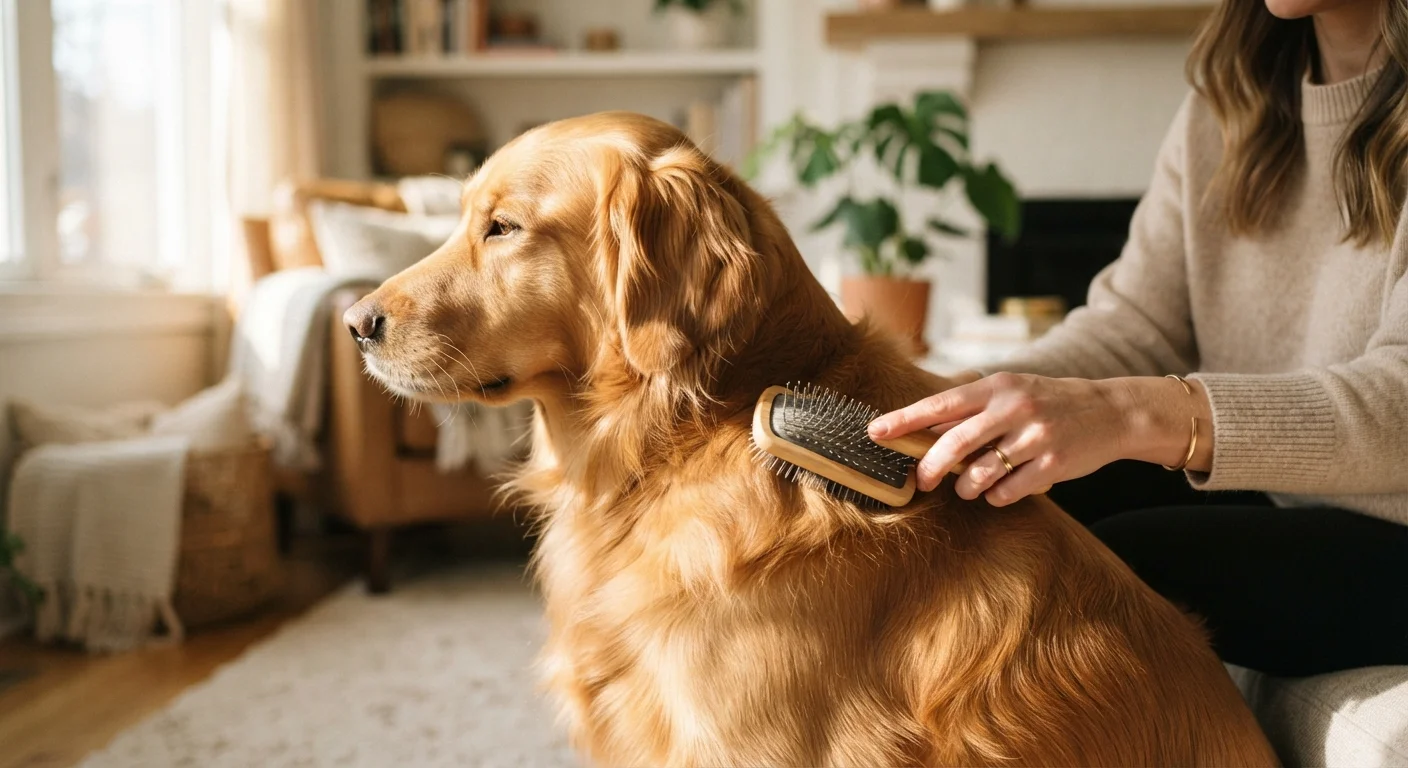
A healthy dog coat is smooth, with individual hairs that lie flat and have a slight natural sheen. The skin beneath should be pale pink or lightly pigmented, free of flaking, redness, or odor. Density varies considerably by breed: a Siberian Husky carries a thick double coat that sheds heavily, while a Weimaraner has a single, short layer that lies close to the body. Both can be healthy; the baseline is breed-specific.
When you run your hands through a healthy coat, the fur should feel neither greasy nor powdery dry. Dandruff, a waxy film, or a persistent musty smell are deviations worth noting. None of them diagnose a condition on their own, but each narrows the list of what might be happening.
Nutritional causes of poor coat quality
Protein is the raw material for hair growth. Dogs that eat a diet low in digestible protein, or that have a condition reducing protein absorption, often develop a coat that is thin, brittle, and slow to grow back after shedding. Omega-3 fatty acids, particularly EPA and DHA, regulate skin cell turnover and reduce the chronic low-grade inflammation that dulls fur over time.
Zinc deficiency produces a specific pattern: scaling and hair loss around the face and pressure points, most commonly in Arctic breeds predisposed to poor zinc absorption. Biotin and vitamin E deficiencies are rarer but produce similar dullness. Before adding supplements, a vet should confirm whether a deficiency actually exists, because oversupplementing fat-soluble vitamins carries its own risks.
If you want a deeper look at how different feeding strategies affect overall nutrient delivery, see how dog owners weigh raw, kibble, and fresh-cooked diets. Common assumptions about grain-free or raw diets and coat health are addressed in dog nutrition myths.
Check the ingredient panel for protein quality
A named animal protein, such as chicken, salmon, or beef, should appear as the first ingredient in a complete dog food. Foods listing corn syrup, artificial preservatives, or generic 'meat by-products' high on the label tend to deliver lower-quality amino acid profiles. If your dog's coat has changed after a food switch, the new formula is a reasonable starting point for investigation.
Hormonal and systemic conditions that show up in the coat
Hypothyroidism, caused by an underactive thyroid gland, is one of the most common endocrine disorders in dogs. The coat becomes dry, thin, and prone to shedding. Hair regrowth after clipping slows noticeably. Dogs with hypothyroidism typically also gain weight, become lethargic, and seek warmth more than usual.
Cushing's disease, or hyperadrenocorticism, produces elevated cortisol and tends to cause symmetrical hair loss along the trunk, a pot-bellied appearance, and skin that thins and bruises easily. The hair follicles become dormant rather than infected, so the skin surface often looks intact even where fur is absent.
Reproductive hormones also affect the coat. Unspayed females may experience coat thinning following a heat cycle or pregnancy. Intact males occasionally develop hormone-responsive alopecia as they age. Both conditions often resolve or improve with spaying or neutering, though a vet should confirm the diagnosis first.
Parasites, infections, and allergies
Mange, caused by mite infestation, produces two distinct patterns. Sarcoptic mange (caused by Sarcoptes scabiei) creates intense itching with crusted, reddened skin, usually starting at the ears and elbows. Demodectic mange (caused by Demodex canis) produces patchy hair loss without significant itching, most often in young or immunocompromised dogs. Both require veterinary diagnosis because they look similar to other conditions and require specific treatment.
Ringworm, despite the name, is a fungal infection. It produces roughly circular, scaly bald patches and can spread to humans and other pets. A vet can confirm it with a fungal culture or Wood's lamp examination.
Allergies, both environmental and food-related, produce a different picture: the dog scratches, bites, or licks at the skin repeatedly, and the resulting trauma causes secondary hair loss and skin damage. The coat changes are a symptom of the itch, not a primary skin disease. Identifying the allergen, through dietary trials or allergy testing, is the path to lasting improvement.
When to see a vet and what to expect
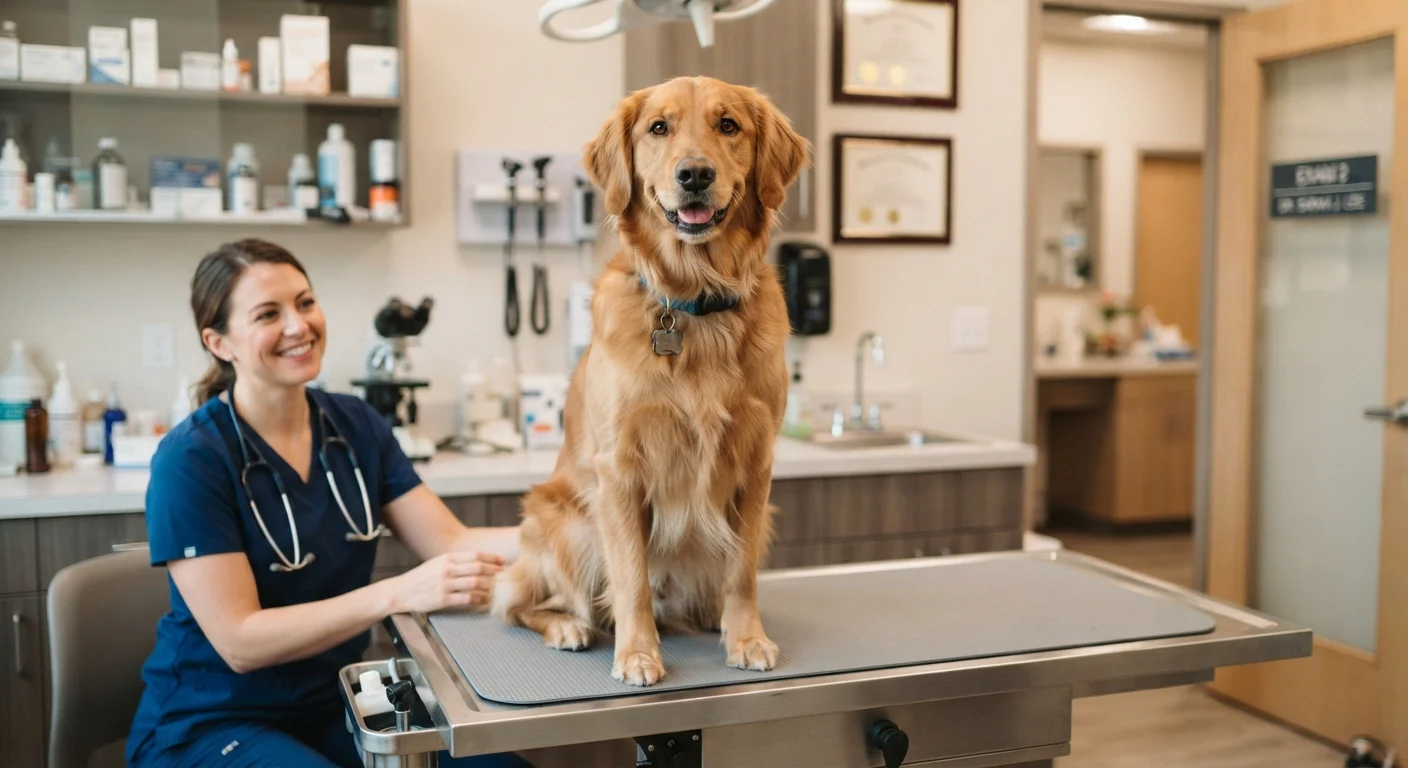
Any coat change accompanied by other symptoms, such as weight change, increased thirst, lethargy, or visible skin lesions, warrants a vet visit sooner rather than later. Isolated dullness in an otherwise healthy dog eating a complete, balanced diet is lower urgency, but still worth mentioning at the next annual exam.
A vet evaluating coat changes will typically take a full history, examine the skin surface, and may collect skin scrapings, fungal cultures, or order bloodwork depending on what the physical exam suggests. Most diagnoses are straightforward once the right tests are run.
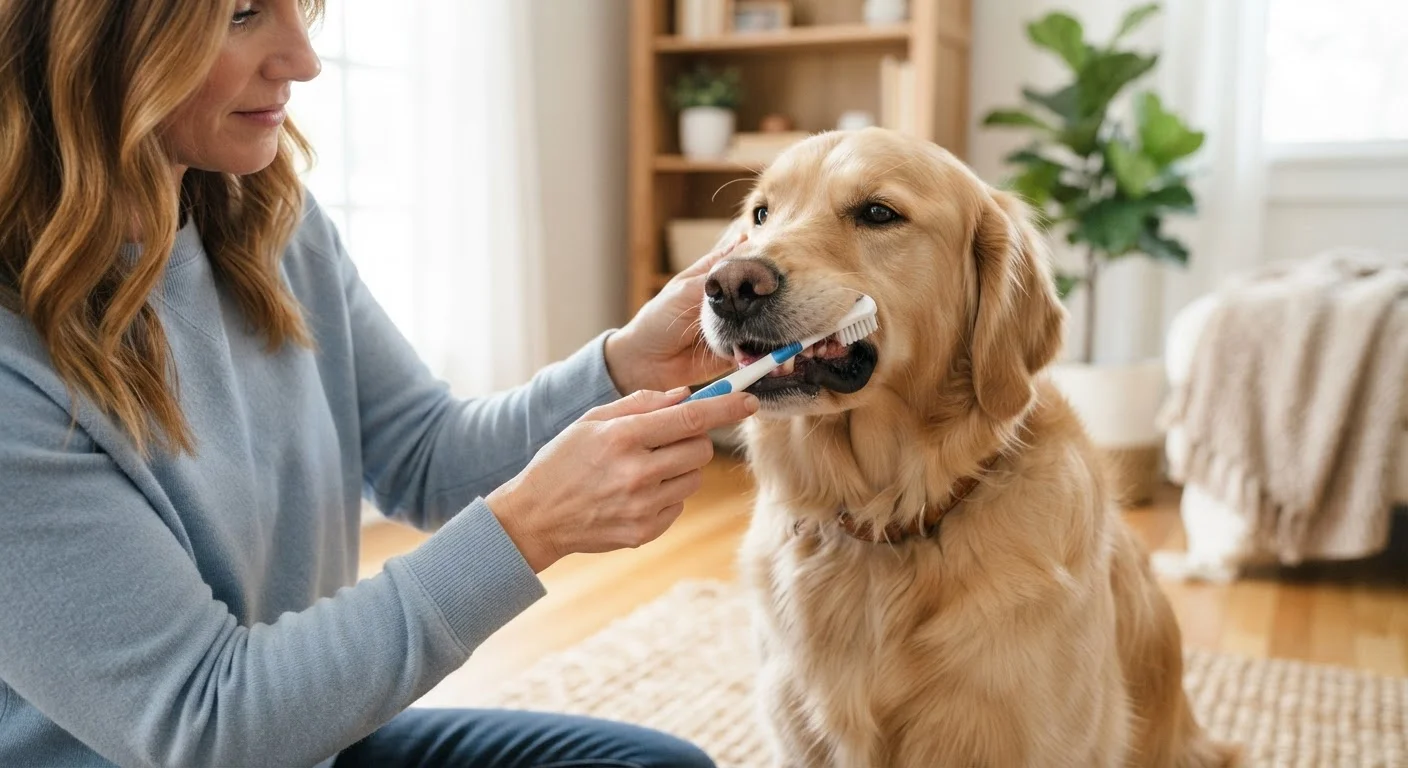
Coat health fits into a broader picture of canine wellness. The annual dog wellness checklist covers the other routine markers, from weight and dental health to parasite prevention, that vets track across a dog's life. Monitoring the coat at home between appointments gives you a running record of what is normal for your specific dog, which makes it easier to describe changes accurately when you do seek professional input.
Coat changes alone are rarely diagnostic
A dull coat or patchy shedding can match dozens of conditions, from minor nutritional gaps to serious endocrine disease. Veterinary diagnosis relies on combining coat observations with a full physical exam, history, and targeted testing. Treating a coat symptom at home without knowing the cause can delay the right treatment and occasionally make an underlying condition harder to manage.