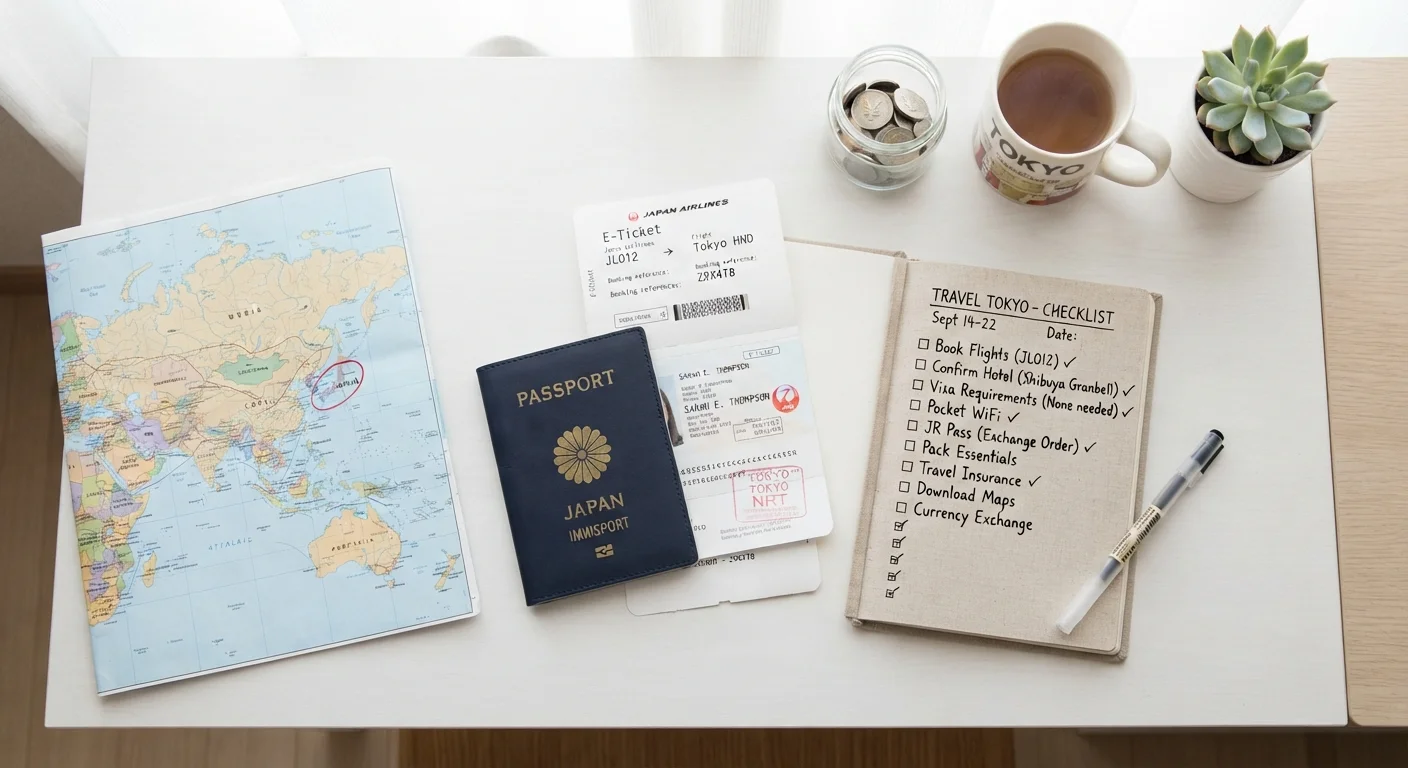


Getting your passport and understanding visa requirements
A valid US passport is the foundation of any international trip. If you do not have one yet, apply early: routine processing times fluctuate and can stretch to several weeks or longer during busy periods. Expedited options exist but cost more, and neither is instant. Check current processing estimates at travel.state.gov before you apply, and plan for at least 6 months of lead time to be safe.
Your passport must also be valid for a minimum period beyond your return date. Many countries require 6 months of remaining validity past your planned departure from their territory, so a passport expiring in 3 months may not get you through immigration even if the travel dates technically fit.
Visa requirements are a separate question. US passport holders enjoy visa-free or visa-on-arrival access to a wide range of countries, but many destinations require a pre-arranged tourist visa, a travel authorization, or a registration fee paid before arrival. Some of these processes take days; others require weeks and supporting documents. Verify entry requirements for your specific destination through the US State Department or the official embassy of the country you plan to visit. Do this before you book anything nonrefundable.
Travel authorization
A pre-trip electronic permission that some countries require before you board a flight, separate from a visa. You typically apply online and pay a small fee.
Foreign transaction fee
A charge, usually 1 to 3 percent, that some banks and credit card issuers add to purchases made in a foreign currency. Not all cards charge this fee.
Travel advisory
An official government assessment of the safety conditions in a foreign country, published by the US State Department and updated as conditions change.
Medical evacuation coverage
A travel insurance benefit that pays the cost of transporting you to an adequate medical facility, including back to the US, if local care is insufficient in an emergency.
STEP (Smart Traveler Enrollment Program)
A free US State Department service that registers your travel with the nearest US embassy or consulate so they can reach you in an emergency abroad.
For a detailed pre-departure checklist covering passports, visas, and more, see this pre-trip planning checklist.
Budgeting and managing money abroad
International trips introduce money management steps that domestic travel does not require. Foreign transaction fees, currency exchange rates, and card acceptance all vary by destination and can quietly erode your budget if you are not prepared.
Before departure, notify your bank and every credit card issuer you plan to use. Without a travel notice, transactions in a foreign country can trigger automatic fraud alerts and a blocked card. Many issuers allow you to set a travel notice online or through their app in a few minutes.
For day-to-day spending, a debit or credit card with no foreign transaction fees is more cost-efficient than exchanging cash at airport kiosks, which tend to offer poor exchange rates. Withdraw local currency from ATMs affiliated with major bank networks when you need cash, and compare your bank's ATM fee policy before you leave. Carry some local currency for destinations where cash is still the primary payment method, and keep a backup card in a separate location from your primary one.
For a step-by-step approach to building a travel budget, this budget travel guide walks through the full process from setting a spending limit to booking in the right order.
Health, safety, and travel insurance
Standard US health insurance plans, including Medicare, generally do not cover medical care received in another country. A medical emergency abroad can generate costs that are significant without coverage. Travel insurance policies that include emergency medical coverage and medical evacuation are worth considering for any international trip, not only those to remote destinations.
Before you travel, check whether your destination has any recommended or required vaccinations. The US Centers for Disease Control and Prevention (CDC) publishes destination-specific health notices at wwwnc.cdc.gov/travel. Consult a healthcare provider well ahead of departure, since some vaccination courses require multiple doses spread over weeks.
Register your trip before you leave
Enrolling in the State Department's STEP program takes about 5 minutes at step.state.gov. Once registered, the nearest US embassy can contact you if there is a local emergency, a natural disaster, or a family emergency back home. It is a simple step that costs nothing and requires no ongoing action after registration.
For safety information, the US State Department's travel advisory system at travel.state.gov assigns a level to every country, from routine precautions to do-not-travel designations. Enrolling in the Smart Traveler Enrollment Program (STEP) is free and lets the nearest US embassy or consulate contact you in a crisis. These are practical steps, not bureaucratic formalities.
If your trip planning has a habit of stalling or falling apart before departure, this guide on common trip-planning mistakes covers the habits that make the difference.
Cultural preparation and practical logistics
Arriving with some knowledge of local customs and practical logistics makes the first hours in a new country much less stressful. Research basic etiquette for your destination: tipping norms differ widely, dress codes at religious sites are often strict, and behaviors that are unremarkable at home can be rude or illegal elsewhere. The official tourism authority of most countries publishes cultural guidance in English.
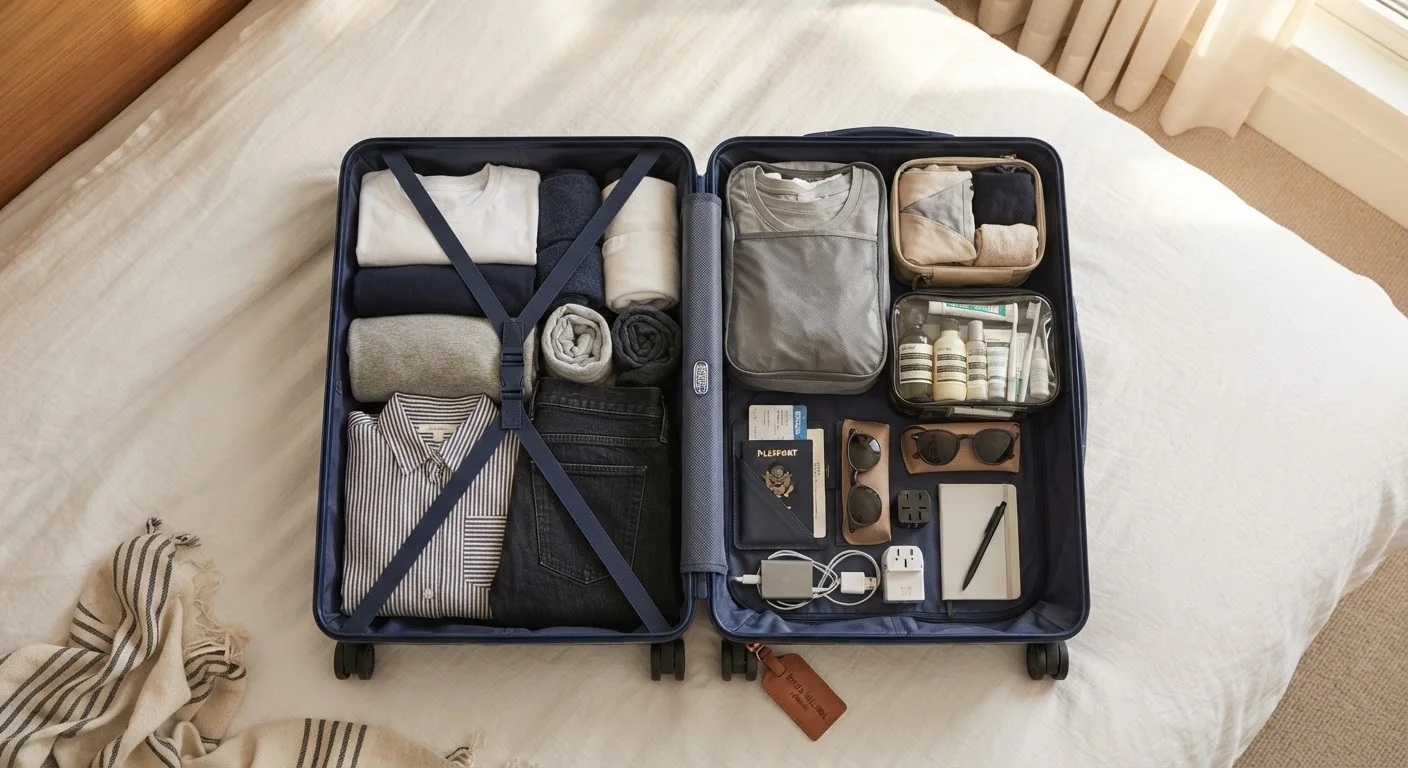
Logistics worth confirming before you leave include: how you will get from the airport to your accommodation, whether your phone plan includes international data or whether you need a local SIM, and what power adapter standard the country uses. Many US devices use a different plug type and voltage than European or Asian outlets, so check your specific destination.
Make physical and digital copies of your passport, travel insurance policy, and hotel confirmations. Store them separately from the originals. Note the address and phone number of the nearest US embassy or consulate at your destination before you depart.
For a broader look at the full trip-planning process, the complete American traveler's trip planning playbook covers every stage from initial budgeting to booking.