

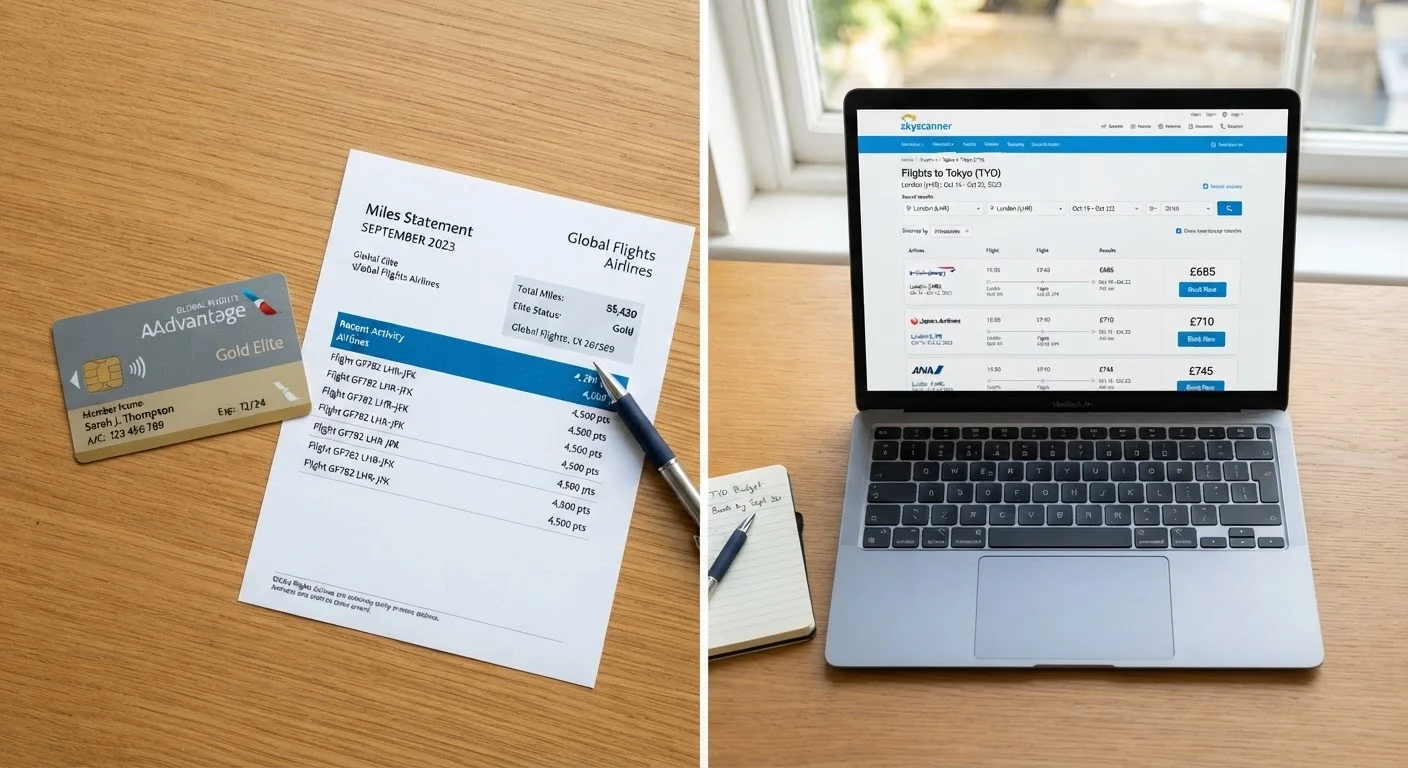
How each approach actually generates savings
Loyalty programs work through accumulation. Each flight segment, hotel night, or co-branded credit card purchase adds points or miles to a balance that can later be redeemed for free or discounted travel. The catch is that redemption rates are set by the program, and they change. Airlines and hotel chains have moved most programs to dynamic pricing, meaning the number of points required for a seat or a room can shift with demand, just as cash prices do.
Discount booking sites work through aggregation. They pull fares from multiple carriers or hotel chains, let you filter by price, and show you options you might not find by checking each provider individually. The savings here are immediate and visible: you pay less cash now, rather than banking value for a future trip. However, as our guide on what budget travel truly costs explains, the displayed price is not always the final price once service fees, seat selection charges, and change penalties are added.
Both strategies assume you are spending money on travel regardless. The question is whether concentrating that spending in one ecosystem or distributing it across the cheapest available options produces a better outcome for your specific travel pattern.
Who loyalty programs actually reward
Loyalty programs are structured to reward concentration. An airline's elite status tiers, which typically carry titles like Silver, Gold, or Platinum, require a minimum number of qualifying flights or dollars spent within a calendar year. Travelers who hit those thresholds gain access to perks: priority boarding, complimentary checked bags, lounge access, and seat upgrades. Those perks have real dollar value. A single checked bag fee waiver on a round trip for a family of four can save $120 to $200 depending on the carrier.
The math gets murkier for occasional travelers. A person who flies twice a year on whichever carrier has the lowest fare will accumulate points across multiple programs and probably never reach a useful redemption threshold in any of them. Points that sit idle for 18 to 24 months are often forfeited under inactivity rules, though policies vary by program. Before banking on a loyalty balance, read the program's expiration terms carefully.
| Criterion | Loyalty Programs | Discount Booking Sites |
|---|---|---|
| Savings type | Deferred (points redeemed later) | Immediate (lower cash fare now) |
| Best suited for | Frequent, brand-loyal travelers | Occasional or brand-flexible travelers |
| Transparency of value | Variable; depends on redemption rate | Visible upfront, but fees may apply |
| Flexibility | Often restricted for award tickets | Varies by platform and fare class |
| Perks beyond price | Upgrades, lounge access, fee waivers | Price comparison across providers |
| Idle balance risk | Points can expire with inactivity | No balance to manage or lose |
Co-branded travel credit cards change the calculation somewhat. Cardholders earn points on everyday purchases, not just travel, which lets moderate travelers build balances faster. That said, annual fees on premium travel cards can range from $95 to $550 or more, so the math only works if you use the card benefits enough to offset the cost. This is general information; consult a qualified financial adviser before making decisions about credit products based on your personal finances, per budgeting basics principles.
Where discount booking sites fall short
Discount aggregators are genuinely useful for price discovery. They make it fast to compare dozens of options in a single search and can surface fares that a carrier's own site buries. The limitations appear after you click.
Some third-party booking platforms charge their own service fees on top of the carrier or hotel price. Cancellation and change requests often have to go through the platform rather than the provider, which can slow refunds and create friction if a trip is disrupted. Not every site passes through the carrier's own change policies accurately, so travelers sometimes discover that what looked like a flexible fare through a discount platform carries restrictions the carrier does not impose when booking direct.
Award-redemption tickets booked through a loyalty program also bypass the platform entirely, which means those prices will not appear in an aggregator's search results. If you have a points balance that would cover a flight, you need to check the airline's own award calendar separately.
Timing matters for both approaches. As covered in our article on shoulder season travel, traveling just before or after peak dates can reduce cash prices enough to make the discount site comparison straightforward without needing a loyalty balance at all.
Putting both strategies to work together
The most cost-effective approach for many travelers is not a strict choice between the two. Use a discount booking site to establish the cash price baseline for any trip you are planning. Then check what the same itinerary costs in points through whichever loyalty program you hold a balance in. Divide the points required by the cash price to get a cents-per-point value. Programs generally consider one cent per point a breakeven value; redemptions above that represent a gain over paying cash, and those below it mean your points are worth less than their cash equivalent.
If the points redemption beats the cash price, use points. If it does not, pay cash and keep accumulating. This comparison takes about ten minutes and removes most of the guesswork from the decision.
Pair either strategy with flexible travel dates and a realistic budget. Our step-by-step budget travel planning guide walks through the full booking sequence, including when to lock in flights versus hotels first. And if you are thinking about skipping checked bags to reduce costs, carry-on only travel covers what that trade-off looks like in practice.
This article is for general informational purposes only and does not constitute financial or investment advice. Travel prices, loyalty program terms, and fee structures change frequently. Verify current program rules and pricing directly with providers before booking.