
Where the money actually goes
Vacation overspending rarely traces back to one extravagant choice. It accumulates in the gaps between what travelers plan for and what travel actually costs. The gap between a rough budget and the final credit card statement is where most of the damage happens.
Understanding the specific places a vacation budget leaks gives you a practical target. The five mistakes below cover the categories where cost-conscious travelers most often lose ground, along with the steps to prevent each one. For a complete planning framework, see the complete trip planning playbook.
Building a flight-and-hotel budget while ignoring destination fees like resort charges, parking, and city taxes.
Why it happens: Travelers anchor their budget to the two biggest line items and assume smaller charges are negligible. Resort fees in particular are rarely shown prominently during the booking process.
Spending without a per-day or per-category allowance, relying instead on a rough total figure.
Why it happens: A lump-sum budget feels adequate at the start of a trip, but without daily targets it is easy to spend heavily early and scramble later.
Paying for activities, tours, and dining spontaneously on the trip instead of researching and reserving them in advance.
Why it happens: Many travelers treat activities as the flexible part of a trip, assuming they will figure it out when they arrive. Last-minute pricing at popular attractions or restaurants is almost always higher.
Ignoring airport and transit costs: overpriced terminal food, paid lounges, baggage fees, and ride-shares from the airport.
Why it happens: Airport spending feels like it is outside the vacation itself, so people treat it as exempt from the budget. In reality, a family of four can spend $80 to $120 in airport food and drinks on a single travel day.
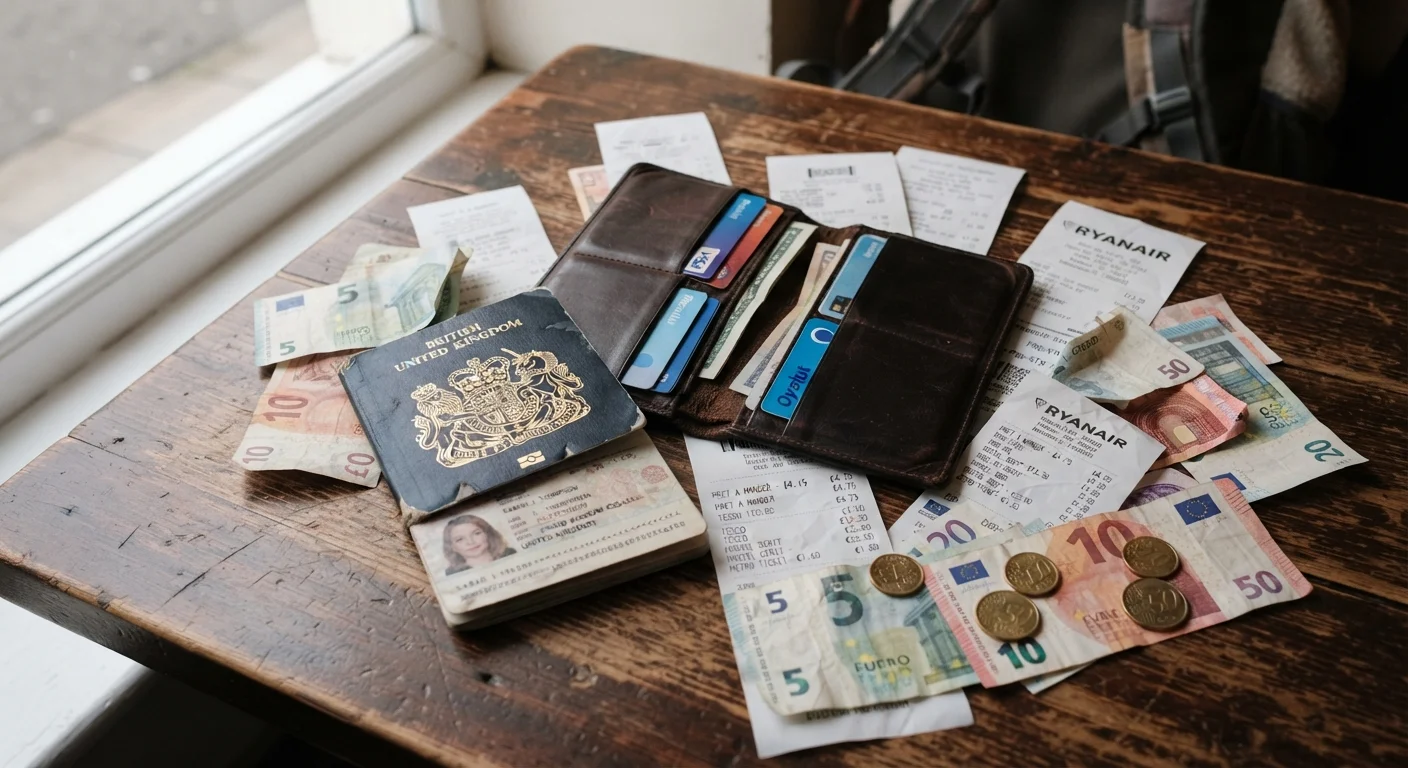
Using cash or cards without a plan for currency exchange, ATM withdrawal fees, and foreign transaction charges.
Why it happens: People often leave currency planning until the last moment, converting money at the airport kiosk or withdrawing cash from the first ATM they find, both of which carry the worst rates and fees.
How to stop the leaks before you leave
The most effective time to fix a travel budget is before the trip starts. Once you are on the road, the pressure to enjoy the moment makes it easy to rationalize every purchase. A written spending plan, broken into the categories above, removes that ambiguity.
Currency conversion fees add up silently
Using a standard debit or credit card abroad can trigger foreign transaction fees of 1% to 3% per purchase plus unfavorable exchange rates at airport kiosks. These charges rarely appear as a separate line until you check your statement at home. Contact your bank before departure to understand exactly what fees apply to your card, and look into whether a no-foreign-transaction-fee card is available to you.
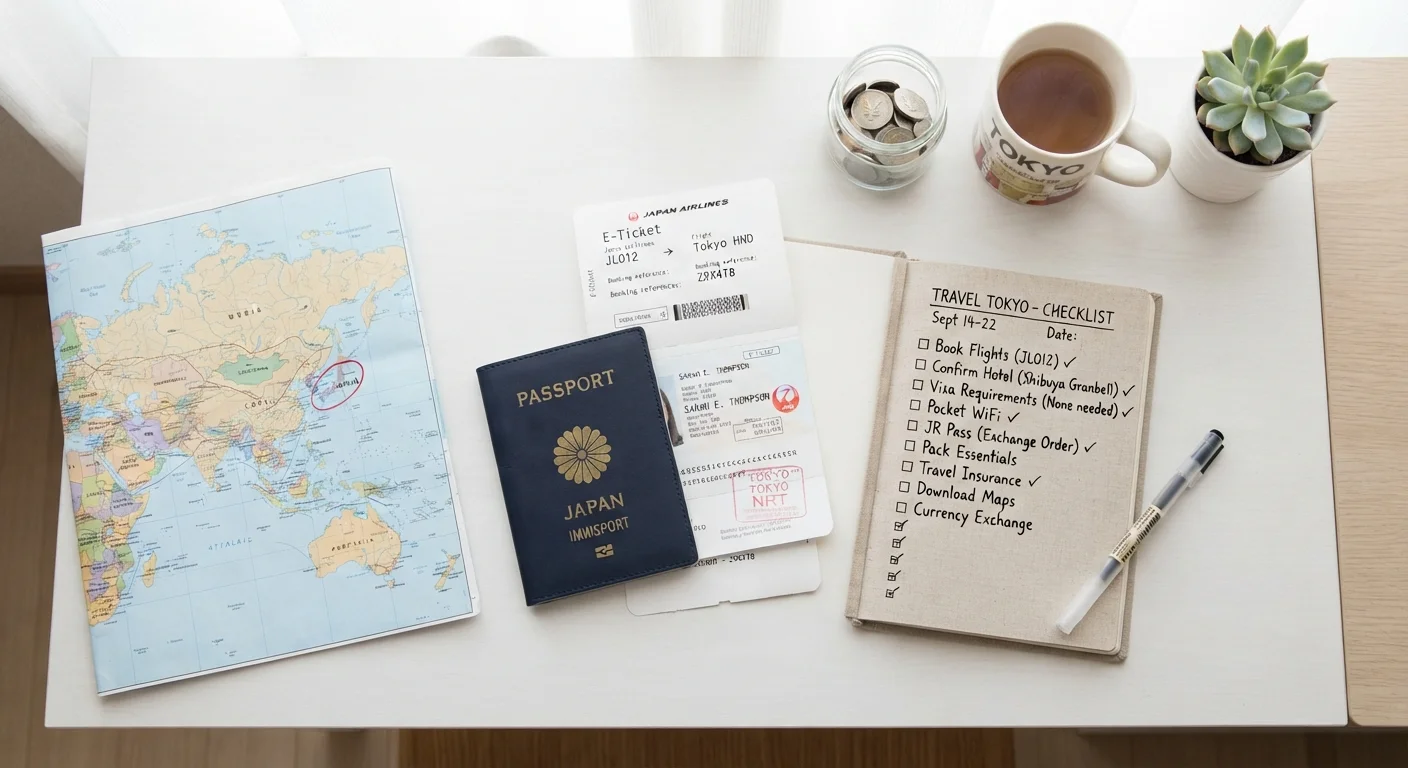
Start with a full accounting of fixed costs: flights, accommodation including resort fees, ground transportation, and any pre-booked activities. What remains after those confirmed costs is your true discretionary budget. Divide that number by the number of trip days to get a daily spending target.
If you want to audit how well your travel spending fits your overall financial picture, the monthly budget audit checklist offers a structured way to review any spending category. After you return, applying that kind of review to your trip expenses helps you build more accurate budgets going forward.
For more on what low-cost travel actually includes in total, the real cost of budget travel breaks down where hidden fees most commonly appear. And if your trips tend to go off-plan in ways that cost money, why your travel plans keep falling apart covers the planning habits that lead to smoother, less expensive trips.