
Why gutters matter more than most homeowners realize
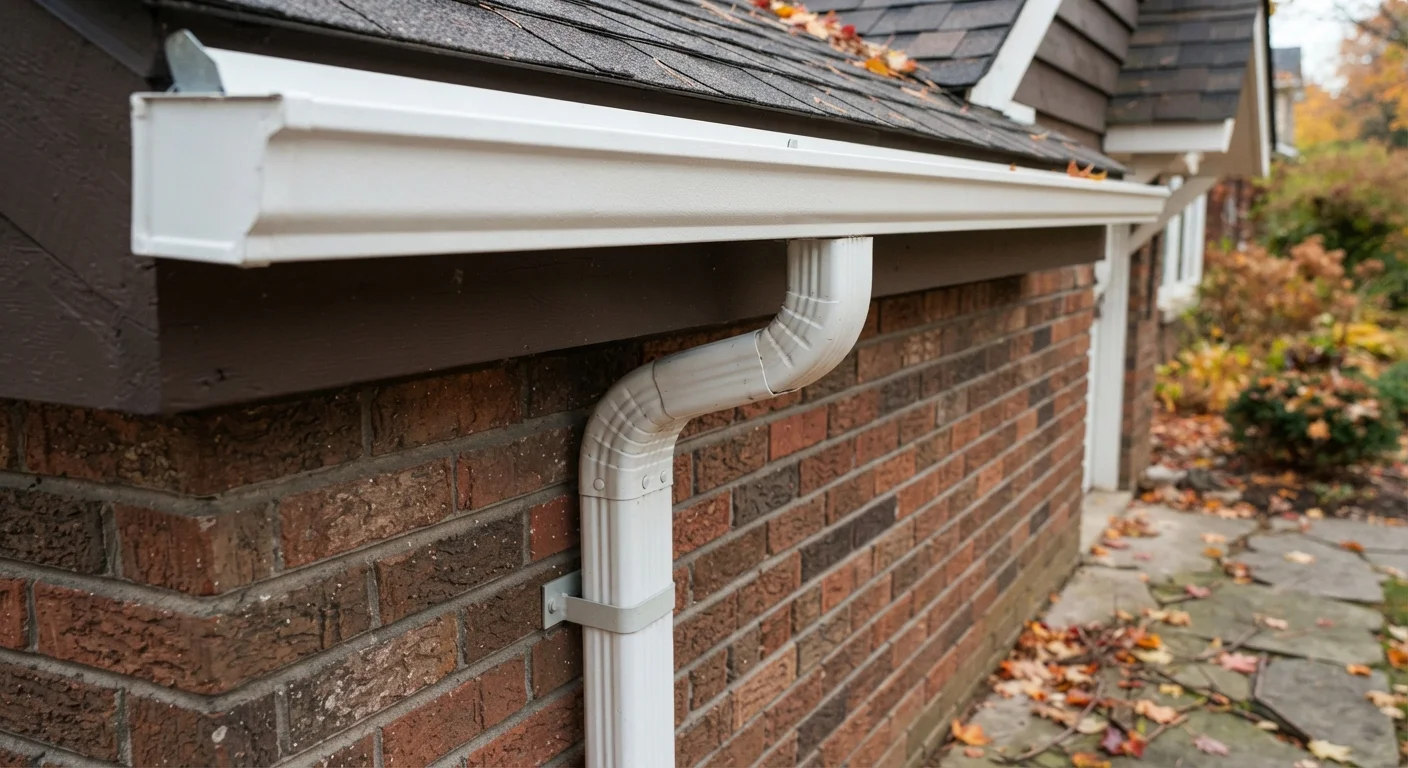
Gutters collect runoff from your roof and carry it away from the structure. When they fail, water falls directly against your siding, pools at the base of your walls, and saturates the soil around your foundation. Over time, that moisture can cause basement leaks, wood rot, mold growth, and in serious cases, foundation settlement.
The connection between gutter maintenance and structural health is well established in building science. Water is the single most common cause of residential foundation problems, and a significant share of those problems trace back to poor drainage at the roofline. Gutters are not a cosmetic feature. They are a water management system, and they need routine attention to do their job.
For a broader view of how this fits into year-round upkeep, see your home's seasonal maintenance calendar. Gutter work belongs on that list alongside other tasks that prevent small problems from becoming expensive ones.
When flushing gutters with a hose, start at the end farthest from the downspout and work toward it. This tells you immediately whether the outlet is clear before you push more debris toward a potential blockage.
Flushing in the correct direction prevents compacting debris at the outlet, which is the most common cause of overflow during cleaning.
Check the condition of your fascia boards every time you clean your gutters. Press on the wood with your thumb; any give or sponginess indicates rot that needs attention before the gutter is rehung.
Rotted fascia is the leading cause of gutters pulling away from the house. Catching it early limits the repair to wood replacement rather than a full roofline restoration.
A seasonal maintenance schedule that actually works
Most homes need gutter cleaning twice a year. Late spring addresses the pollen, seed pods, and debris that accumulate after trees leaf out. Late fall, after the last leaves drop in your region, prepares the system for winter precipitation.
Homes surrounded by pine trees may need a third cleaning in midsummer, since pine needles shed year-round and compact tightly inside gutters. If your gutters overflow during moderate rain, that is a reliable sign a cleaning is overdue regardless of the calendar.
Spring tasks
- Remove debris by hand or with a gutter scoop, working from a stable ladder.
- Flush the gutters with a garden hose to check flow toward each downspout.
- Check that downspout strainers (also called leaf guards or strainer baskets) are in place and clear.
- Look for winter damage: separated joints, bent hangers, or sections pulled away from the fascia.
Fall tasks
- Wait until trees in your yard are fully bare before doing the final fall cleaning.
- Clear all downspout outlets and verify water discharges away from the foundation.
- Check gutter pitch (the slope toward downspouts) by watching where water pools during the flush test.
- Note any areas where ice dams formed the previous winter, as those spots may indicate inadequate insulation or ventilation rather than a gutter problem alone.
How to inspect gutters for damage
A visual inspection from the ground tells you some things: obvious sagging, sections separated from the fascia, downspouts that have come loose from the wall. A close-up inspection from a ladder tells you the rest.
What to look for
- Rust or corrosion on steel gutters, or chalky white deposits on aluminum, which indicate water sitting longer than it should.
- Cracks or holes, often visible as staining on the outside of the gutter trough.
- Separated joints where sections meet or where the downspout connects to the outlet.
- Loose or missing hangers, the brackets that hold the gutter against the fascia board.
- Fascia damage behind the gutter, which often appears as soft, discolored wood indicating rot.
- Improper pitch: water should not stand in the trough after a rain. A correctly pitched gutter slopes roughly 1/4 inch for every 10 feet toward the downspout.
Run the hose test during your inspection: fill the gutter with water and watch how it moves. Standing water after 10 minutes points to a pitch problem or a blocked outlet. Water spilling over the back edge of the gutter, toward the fascia, suggests the gutter has pulled away from the board or was installed without sufficient clearance from the roofline.
Common repairs you can do yourself
Several gutter repairs are straightforward for a homeowner comfortable working on a ladder. Gather your materials before climbing: you will need less time at height.
Sealing leaky joints
Clean and dry the joint thoroughly. Apply a bead of gutter sealant (a flexible, waterproof caulk designed for metal or vinyl gutters) to the inside seam. Smooth it with a gloved finger. Allow it to cure before running water through the system.
Reattaching loose hangers
If a hanger has pulled out of the fascia, check whether the fascia board itself is still sound. If the wood is firm, use longer gutter screws (3-inch hex-head screws work well for most fascia thicknesses) to resecure the hanger into solid wood. Avoid driving screws into the same hole if the wood there is deteriorated.
Patching small holes
For holes smaller than about 1/2 inch in diameter, clean the area, apply roofing cement or gutter sealant, and cover with a piece of flashing metal cut slightly larger than the hole. Press firmly and seal the edges.
These repairs connect directly to the broader principle covered in common home maintenance myths: small problems left alone rarely stay small. A sealed joint costs very little in time and materials compared to the fascia replacement that follows if water is allowed to wick behind the gutter for another full season.
When to call a professional
Some gutter conditions are beyond routine DIY maintenance. A licensed contractor should assess the following:
- Fascia rot extending behind multiple gutter sections. Replacing rotted fascia requires removing the gutter run, cutting out damaged wood, and reinstalling everything with proper flashing. Doing this incorrectly can introduce new leak paths at the roofline.
- Full gutter replacement. If your gutters are heavily corroded, consistently pulling away from the house, or more than 20 years old with recurring problems, replacement is likely more cost-effective than continued patching.
- Downspout connections through the foundation. Some older homes have underground downspout drains that discharge into a dry well or municipal storm system. If these are blocked or failing, a plumber or drainage contractor should diagnose the problem. See plumbing upkeep every homeowner should understand for context on when drainage issues cross into licensed plumbing territory.
Work at roof height carries real fall risk. If your roofline is steep or your gutters are on a second story or higher, hire a professional rather than working from an extended ladder in difficult conditions.
Downspout drainage and grading
A clean, intact gutter system still fails if the downspouts discharge water too close to the house. The standard guidance is to extend downspouts so water exits at least 6 feet from the foundation. Splash blocks, flexible extensions, or buried drain pipes can all accomplish this depending on your yard layout.
Equally important is the grade of the soil around your foundation. The ground should slope away from the house at a rate of about 6 inches over the first 10 feet. When soil settles and that slope reverses, water from downspouts and rainfall pools against the foundation wall. Re-grading with topsoil is a task most homeowners can handle on a small scale, though larger grading projects may require equipment and a contractor.
Gutter guards, the mesh or solid covers that fit over the trough, reduce debris accumulation but do not eliminate the need for periodic inspection and cleaning. Fine debris like pine needles and shingle granules can still collect. If you install gutter guards, plan to inspect the system at least once a year rather than assuming it is maintenance-free.
Consistent attention to gutters and drainage is one of the lower-cost ways to protect what is likely your largest investment. The habits that prevent expensive repairs principle applies directly here: two cleanings a year and a ten-minute hose test each season are far less disruptive than addressing foundation water infiltration.