
Why the line exists in the first place
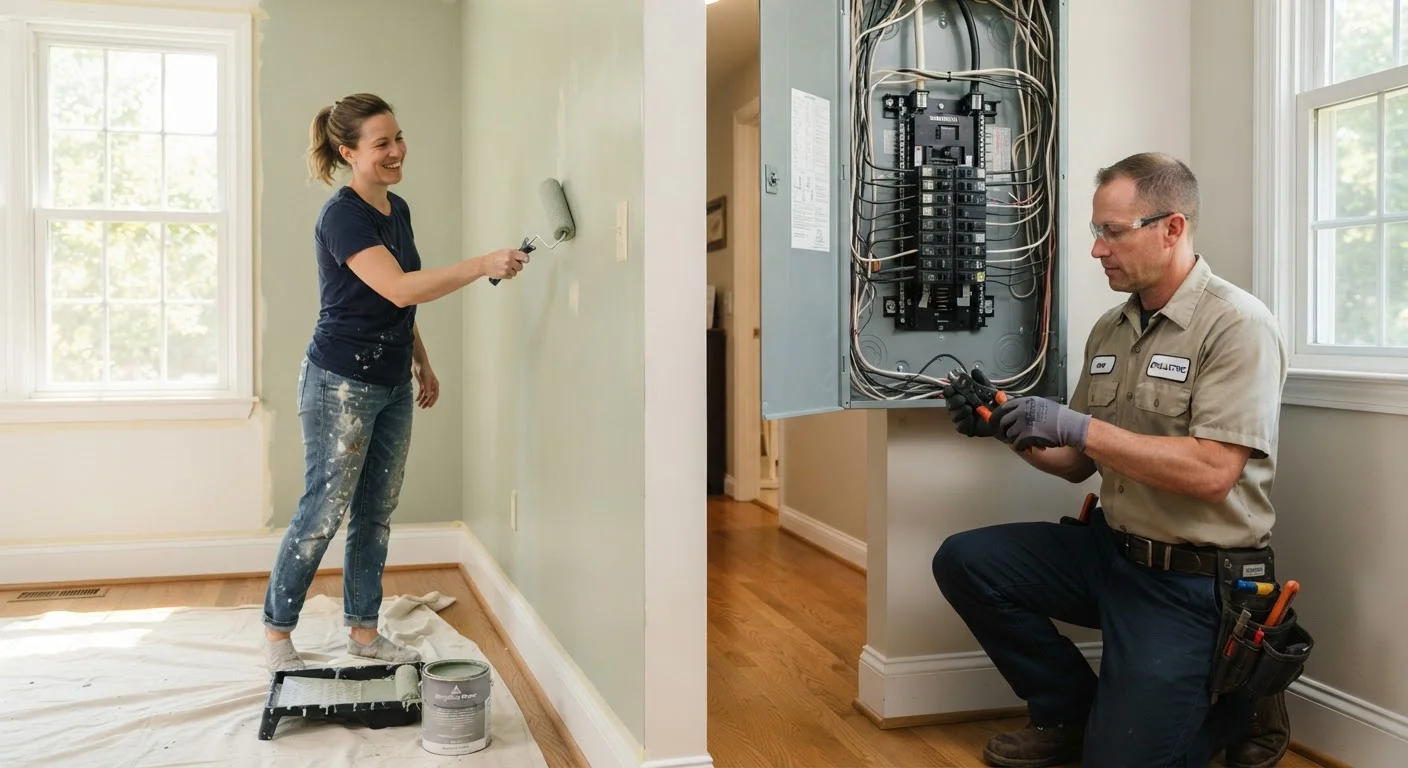
Home repair divides into two categories for a straightforward reason: some mistakes are inconvenient, and others are dangerous or illegal. A poorly painted wall can be repainted. A wiring error can start a fire or kill someone. Jurisdictions across the U.S. draw the legal line at work that carries serious safety consequences or that affects the structural integrity of a building.
Permits and licensing requirements exist to protect you, future occupants, and neighbors. When a licensed contractor pulls a permit, an inspector verifies the work meets current building codes. That verification matters at insurance claim time and when you sell. Skipping it can create problems that are far more expensive than the permit fee itself. Our guide to home renovation permits explains what that process covers and when it applies.
What homeowners can reasonably handle
A wide range of repairs fall within the reach of a careful, patient homeowner. Cosmetic work is the clearest category: painting interior walls, patching drywall holes smaller than a few inches, replacing hardware, installing new light fixtures on existing circuits (with power off and within local code allowances), and recaulking around tubs or windows.
Basic plumbing at the fixture level is also generally permissible without a license in most states. Replacing a faucet, swapping out a toilet, or clearing a slow drain does not touch supply mains or drain stacks and typically does not require a permit. For a deeper look at routine plumbing tasks, see our plumbing upkeep overview.
Other reasonable DIY tasks include replacing interior door hardware, installing grab bars into studs, weatherstripping, installing a programmable thermostat (low-voltage wiring only), and basic landscaping. The common thread: these tasks have limited failure consequences, no structural impact, and no permit requirement in most jurisdictions.
| Criterion | DIY repairs | Licensed professional |
|---|---|---|
| Permit required | Rarely for cosmetic work | Usually for regulated trades |
| Typical tasks | Painting, patching, fixtures | Electrical, gas, structural, HVAC |
| Legal requirement | None for most cosmetic work | Required by code in most states |
| Insurance impact | Low risk if no permit needed | Protects coverage via inspection |
| Safety consequences of errors | Cosmetic or minor functional | Fire, injury, or structural failure |
| Resale disclosure | Minimal for minor repairs | Permits on record protect seller |
Work that requires a licensed professional
Several categories of work are regulated because the consequences of errors are severe.
Electrical: Any work at the service panel, new circuit installation, or wiring in walls typically requires a licensed electrician and an electrical permit. This applies in every U.S. state, though the specifics vary by jurisdiction. Homeowners are sometimes allowed to do their own electrical work in their primary residence under a homeowner permit, but they must still pull the permit and pass inspection.
Gas: Connecting or modifying gas lines, gas appliances, or gas venting requires a licensed plumber or gas fitter in most jurisdictions. If you smell gas, leave the building and call your utility company; do not attempt any repairs yourself.
Structural: Removing or modifying load-bearing walls, altering roof framing, or adding square footage requires both a permit and, in most cases, stamped engineering drawings. Structural errors can cause collapse.
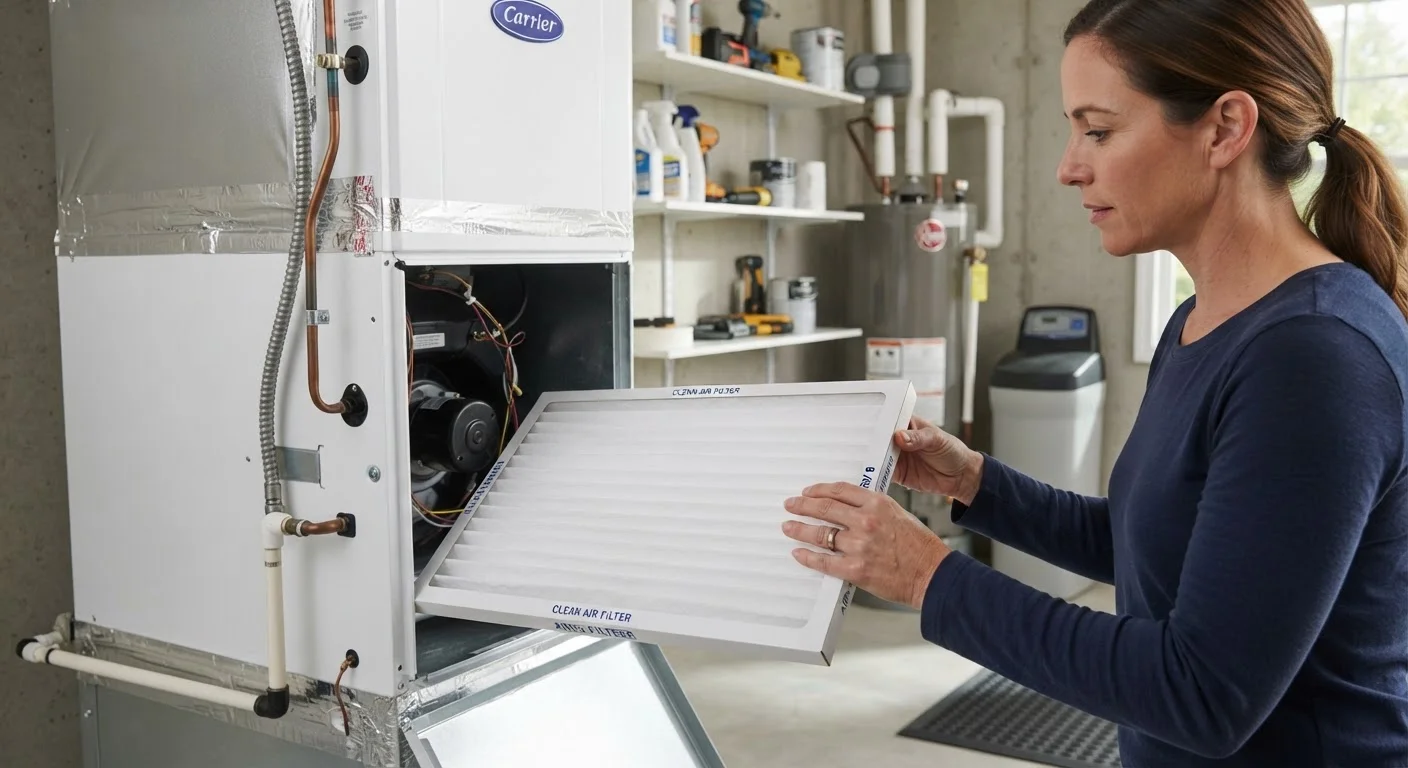
HVAC: Installing or replacing a central HVAC system involves refrigerant handling, which requires EPA Section 608 certification. Ductwork modifications may require permits depending on your municipality.
Our bathroom remodels article walks through a specific room where these categories frequently overlap.
How to decide when you are unsure
When a repair feels borderline, ask these questions before starting. Does the task touch electrical wiring inside walls, a gas line, or a load-bearing element? Does your municipality require a permit for this scope of work? Does the repair affect systems that insurance or a future buyer will scrutinize?
If any answer is yes, contact your local building department first. Most will answer a brief question about permit requirements at no cost. You can also consult a licensed contractor for an assessment, even if you ultimately do the non-regulated portions yourself.
The cost comparison often shifts once you account for tool rental, material waste from learning curves, and the potential for a failed inspection or an insurance dispute. Consistent smaller maintenance habits can reduce how often you face these bigger decisions. Our article on preventive maintenance habits covers how routine upkeep limits the frequency of major repairs across your home systems.