
Know your plumbing system before anything breaks
A home's plumbing has two distinct sides: supply lines that bring pressurized fresh water in, and drain-waste-vent (DWV) lines that carry used water and gases out. Both sides have their own failure patterns, and keeping them separate in your mind makes troubleshooting much easier.
The most important thing to locate right now is your main water shut-off valve. In most homes it sits where the water service line enters the house, often near the foundation in a basement, utility room, or garage. Turn it fully clockwise to close it. Every adult in the household should know where it is and how it works. A burst pipe with no one knowing the shut-off location can cause tens of thousands of dollars in water damage within minutes.
You should also know the location of individual fixture shut-offs, the small valves behind toilets and under sinks, as well as your water heater's shut-off and the location of your home's clean-outs, the access points used to clear main drain blockages. Sketch a simple diagram if it helps. This foundation of knowledge is what separates a homeowner who manages an emergency calmly from one who is scrambling.
Main shut-off valve
The valve that stops water flow to the entire house. Closing it is the first step in any plumbing emergency.
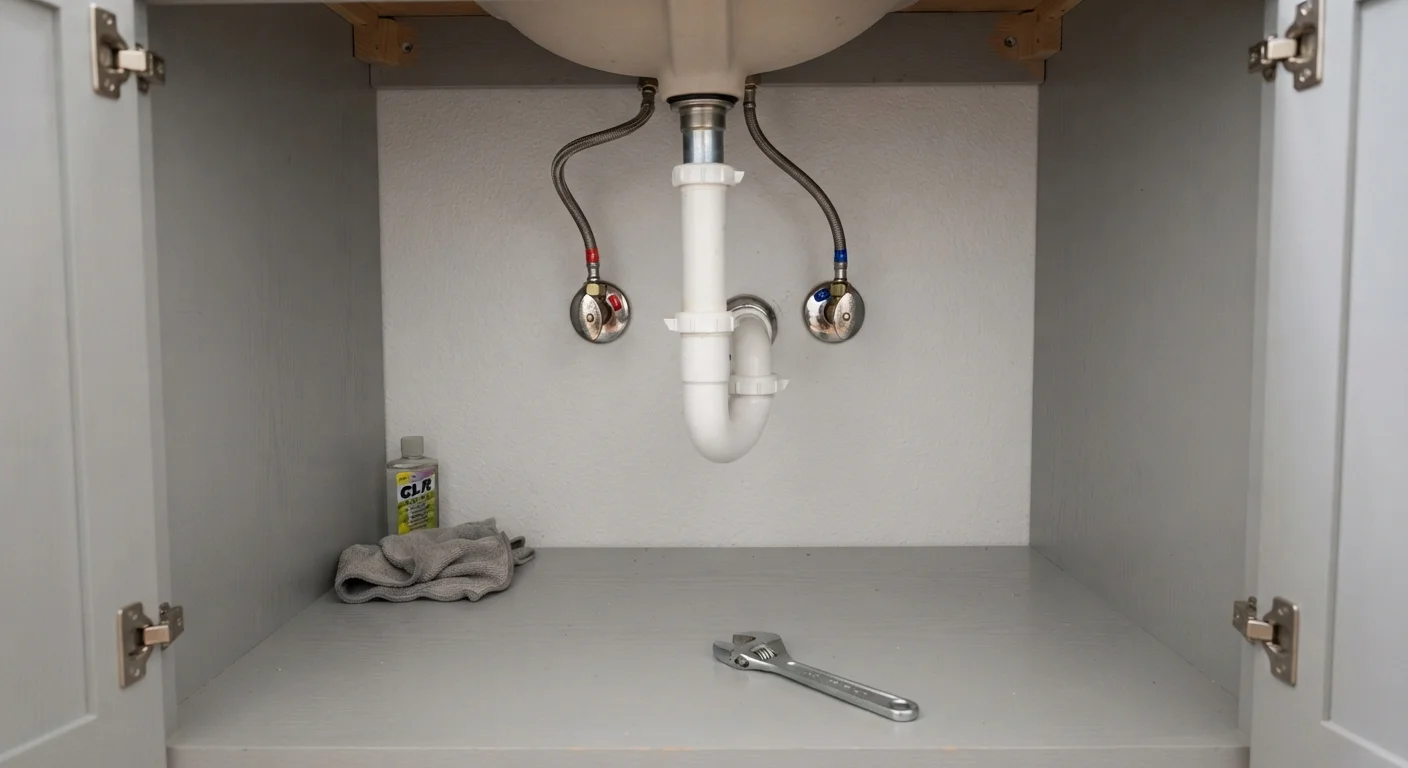
P-trap
The curved pipe section under sinks and tubs that holds a small amount of water. That water creates a seal that blocks sewer gases from entering the home.
Drain-waste-vent (DWV)
The network of pipes that carries wastewater and sewage out of the home while allowing air in so drains flow properly.
Aerator
A small mesh screen screwed onto a faucet tip that mixes air into the water stream. It is a common place for mineral deposits to collect and restrict flow.
T&P relief valve
A safety valve on a water heater that opens automatically if temperature or pressure inside the tank rises to dangerous levels.
Pressure-reducing valve (PRV)
A device installed on the main supply line that lowers incoming water pressure to a safe level for household fixtures and appliances.
Routine maintenance tasks you can handle yourself
Several low-effort tasks go a long way toward preventing larger problems.
- Clean faucet aerators. Aerators collect mineral deposits over time and reduce flow. Unscrew them, soak in white vinegar for 30 minutes, scrub with an old toothbrush, and reinstall.
- Test toilet flappers. A flapper that does not seal properly wastes water silently. The food-coloring test described in the FAQ below is the fastest way to check.
- Clear slow drains early. A drain that moves slowly is not yet clogged. Remove and clean the stopper, or use a drain snake to pull out hair and soap buildup before it becomes a full blockage.
- Inspect supply line hoses. The braided or rubber hoses connecting your washing machine, dishwasher, and toilets to their shut-offs can crack or blister with age. Replace any that show visible wear; braided stainless hoses tend to last longer than plain rubber ones.
- Check exposed pipes for drips. A slow drip at a joint often signals a failing fitting. Catching it early means a small repair rather than water damage remediation.
For a broader view of how routine upkeep fits into your year, the month-by-month home maintenance calendar pairs well with the steps here.
Warning signs that deserve prompt attention
Some problems announce themselves loudly. Others are quiet until they cause damage. Watch for:
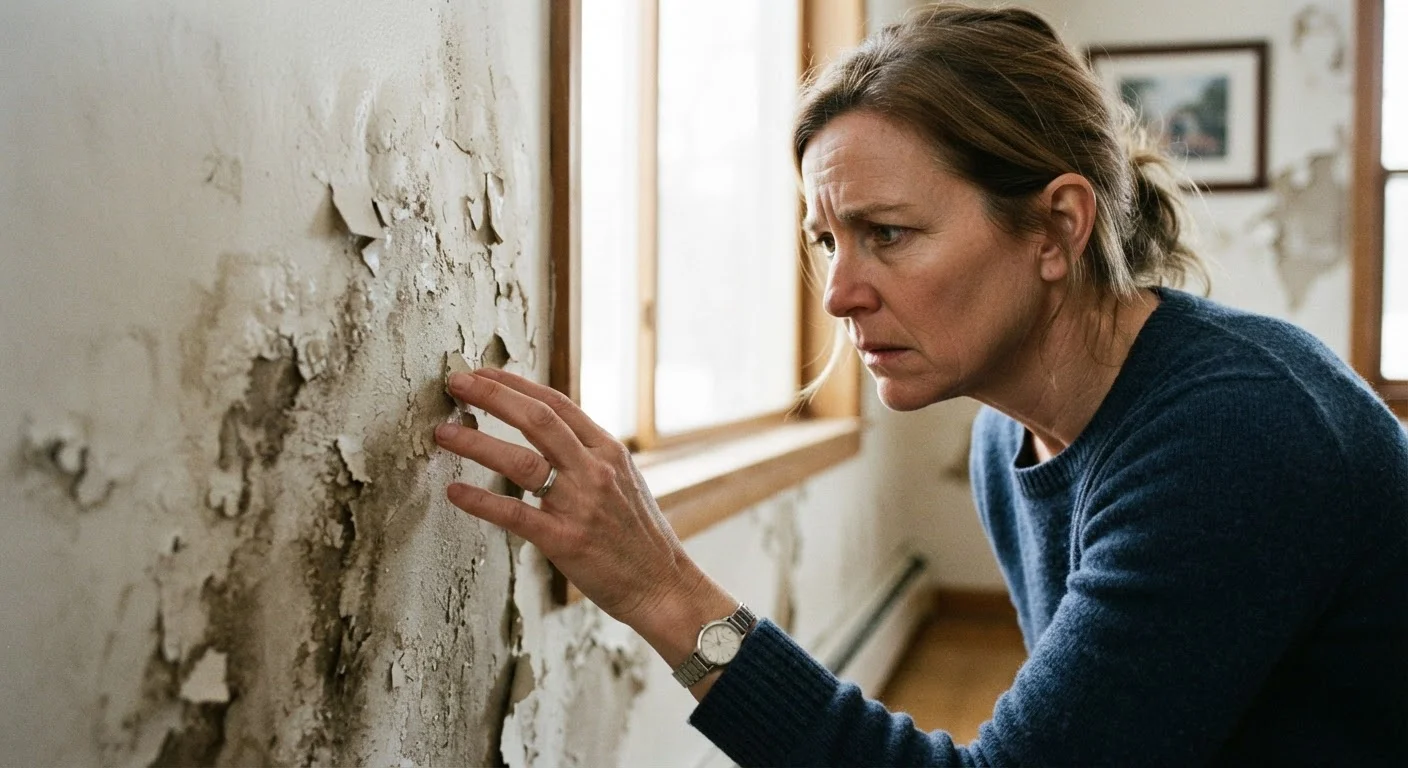
- Unexplained water stains on ceilings or walls. These suggest a leak above or behind the surface, which often means a pipe connection or supply line is failing.
- Sudden changes in water pressure. A pressure drop across multiple fixtures can signal a leak in the main line, a partially closed shut-off, or a failing pressure-reducing valve.
- Gurgling sounds from drains. When water drains slowly and gurgles, the vent stack may be partially blocked, causing negative pressure in the drain lines. Sewage gases can follow.
- Musty odors near plumbing fixtures. A persistent mildew smell under a sink often means a slow leak has been saturating the cabinet floor unnoticed.
- Running water sounds when nothing is on. This is a reliable indicator of either a toilet leak or, more seriously, a supply line leak somewhere in the home.
Many of these warning signs tie directly to water intrusion issues that affect more than just plumbing. Common home maintenance myths that lead to real damage covers how homeowners often misread these signals and inadvertently allow problems to worsen.
Seasonal plumbing checklist
Plumbing stress is seasonal. Adjusting your attention to match the time of year prevents most weather-related failures.
Before winter: Disconnect and drain outdoor hoses. Shut off and drain exterior hose bibs if your home has interior shut-off valves for them. Insulate any pipes in unheated spaces such as crawl spaces, garages, or exterior walls. Know the temperature at which your local pipes are at risk, generally below 20 degrees Fahrenheit for pipes without insulation, and take precautions before forecasts drop that low.
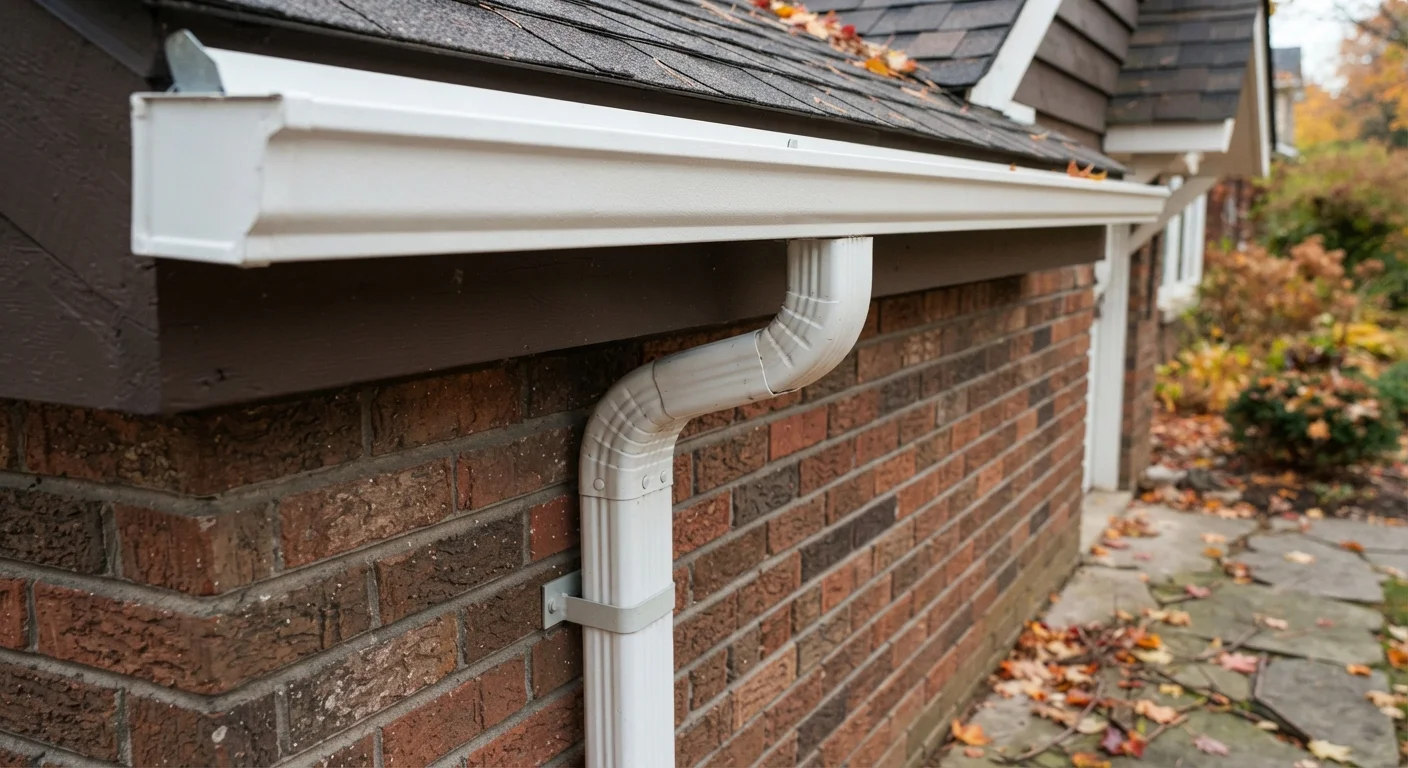
In spring: Reconnect outdoor hoses and inspect the hose bibs for frost damage. Check the water heater anode rod if it has not been done in two to three years. Walk the perimeter of the house to look for evidence of foundation seepage or soil erosion that redirects water toward the structure. For related drainage concerns, the guide to gutters and downspouts covers how water management around the home directly affects what happens at and below the foundation.
Year-round: Keep the area around your water heater clear. Check that the temperature-pressure relief valve (T&P valve) on the water heater is not showing signs of corrosion or dripping, as a failing T&P valve is a safety issue that needs immediate professional attention.
When to call a licensed plumber
Understanding where the DIY boundary is protects both your safety and the integrity of your home. Several categories of work consistently require a licensed plumber.
- Any work on the main sewer line or main stack
- Repairs or modifications to gas-line connections at water heaters or appliances
- Installing new supply or drain lines, particularly in walls or under slabs
- Water heater replacement, especially when switching fuel type or moving the unit
- Repairs after a pipe burst with associated water damage
- Any work that your municipality requires a permit for, since permitted work must be done or directly supervised by a licensed contractor in most jurisdictions
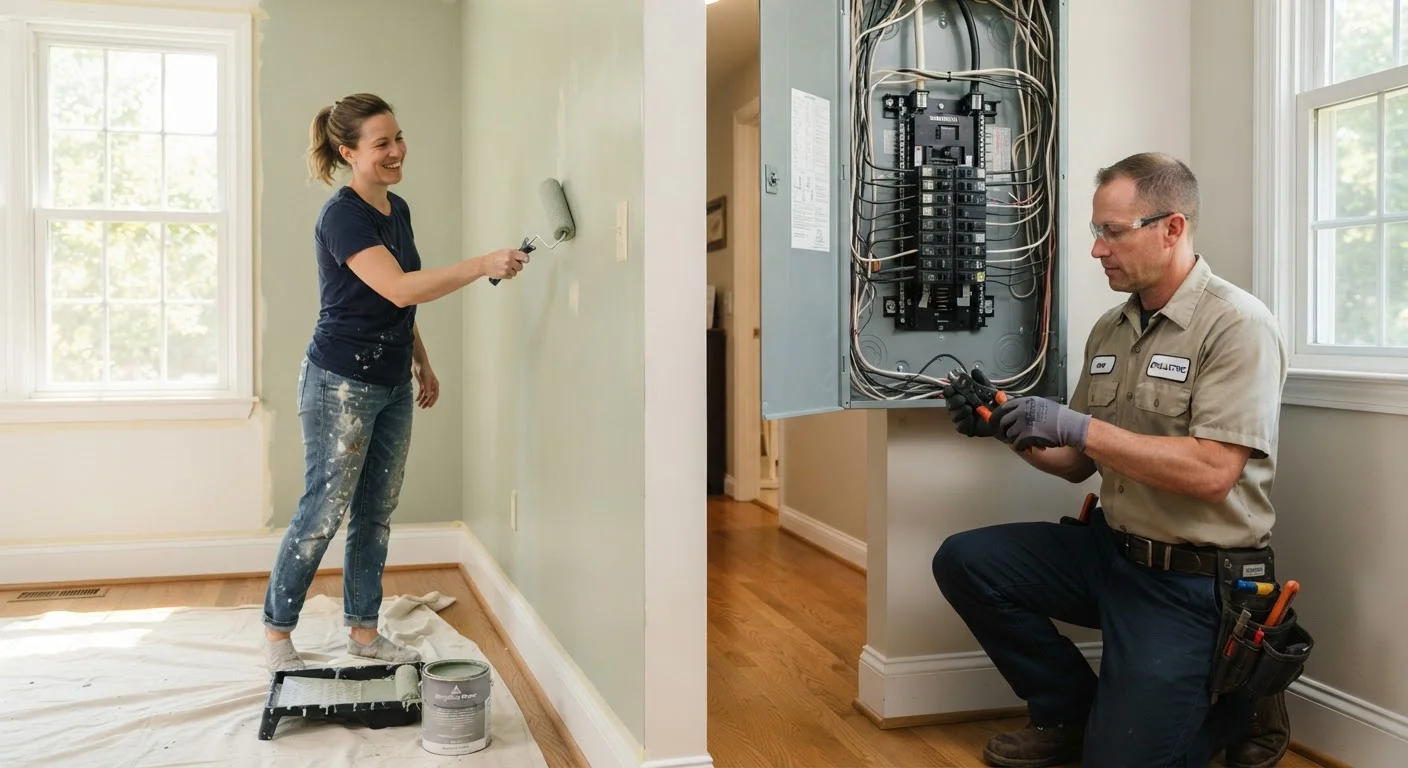
For a clear framework on where DIY ends and professional work begins, DIY repairs vs. licensed professional provides detailed guidance across multiple home systems. If a bathroom project is involved, bathroom remodel tasks and professional requirements breaks down the specific decisions you will face.
When hiring a plumber, verify that they hold a current license in your state and carry liability insurance. Ask for a written estimate before work begins. Local building departments can confirm licensing requirements for your area.
Take a photo record of your plumbing layout
Before closing up access panels or finishing a basement, photograph the locations of shut-off valves, clean-outs, and pipe runs. Store the photos in a cloud folder with your home documents. This record speeds up diagnosis considerably when a plumber or inspector needs to find something quickly.