

Why maintenance myths are so persistent
Home maintenance advice travels fast through neighborhoods, family conversations, and online forums. Much of it started as a reasonable shortcut or a half-true observation, then got repeated until it became accepted fact. The problem is that some of these beliefs actively delay action or push homeowners toward fixes that make things worse. Understanding where the logic breaks down is the first step to protecting your home.
This article works through the most common misconceptions, explains what is actually happening inside your home when you follow them, and describes what a more reliable approach looks like. For a broader look at how skipping small tasks compounds over time, see why worn seals cost more than most homeowners expect.
Myth
Bleach kills mold permanently, so wiping it with bleach solves the problem.
Fact
Bleach kills mold on non-porous surfaces but does not penetrate drywall, wood, or grout, where mold roots survive and regrow.
Bleach is a surface disinfectant. On tile or glass it can eliminate visible mold effectively. On porous materials, the water content in bleach can actually carry mold spores deeper while the chlorine evaporates at the surface, leaving conditions that support regrowth. The Environmental Protection Agency recommends addressing the moisture source first, then removing affected porous materials rather than treating them in place. If mold covers more than roughly 10 square feet, professional remediation is generally appropriate.
Myth
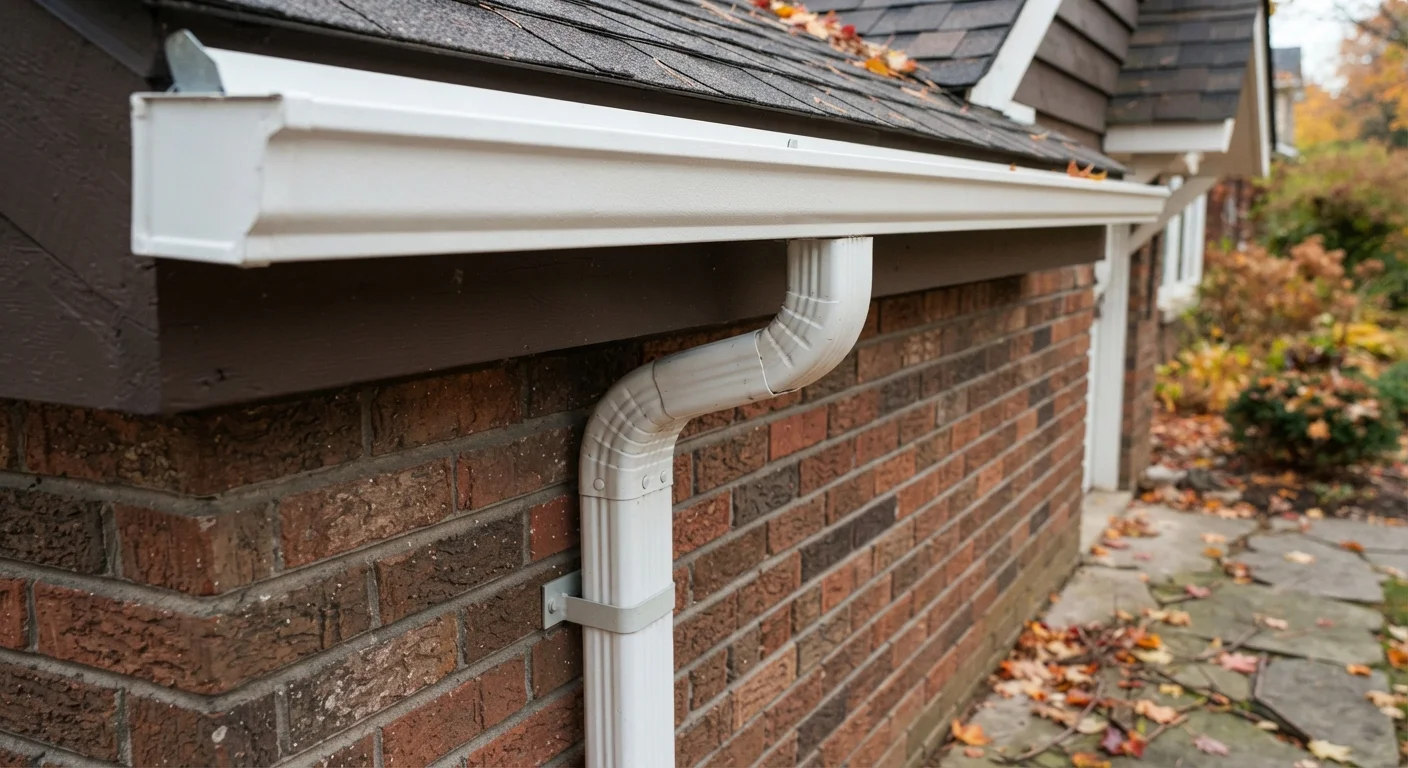
If gutters look clear from the ground, they do not need cleaning.
Fact
Debris accumulates inside downspout elbows and at gutter seams where it is invisible from below, blocking drainage even when the trough appears open.
A gutter trough can appear empty while a compacted plug of shingle grit and decomposed leaves sits inside the downspout elbow. Water then backs up, sits against the fascia board, and eventually infiltrates behind siding or into the soffit. Checking gutters properly means running water through with a hose and watching the discharge at ground level, not just eyeballing the trough from the yard. Twice-yearly cleaning, and once more after major wind events, is a reasonable minimum for most homes with tree cover.
Myth
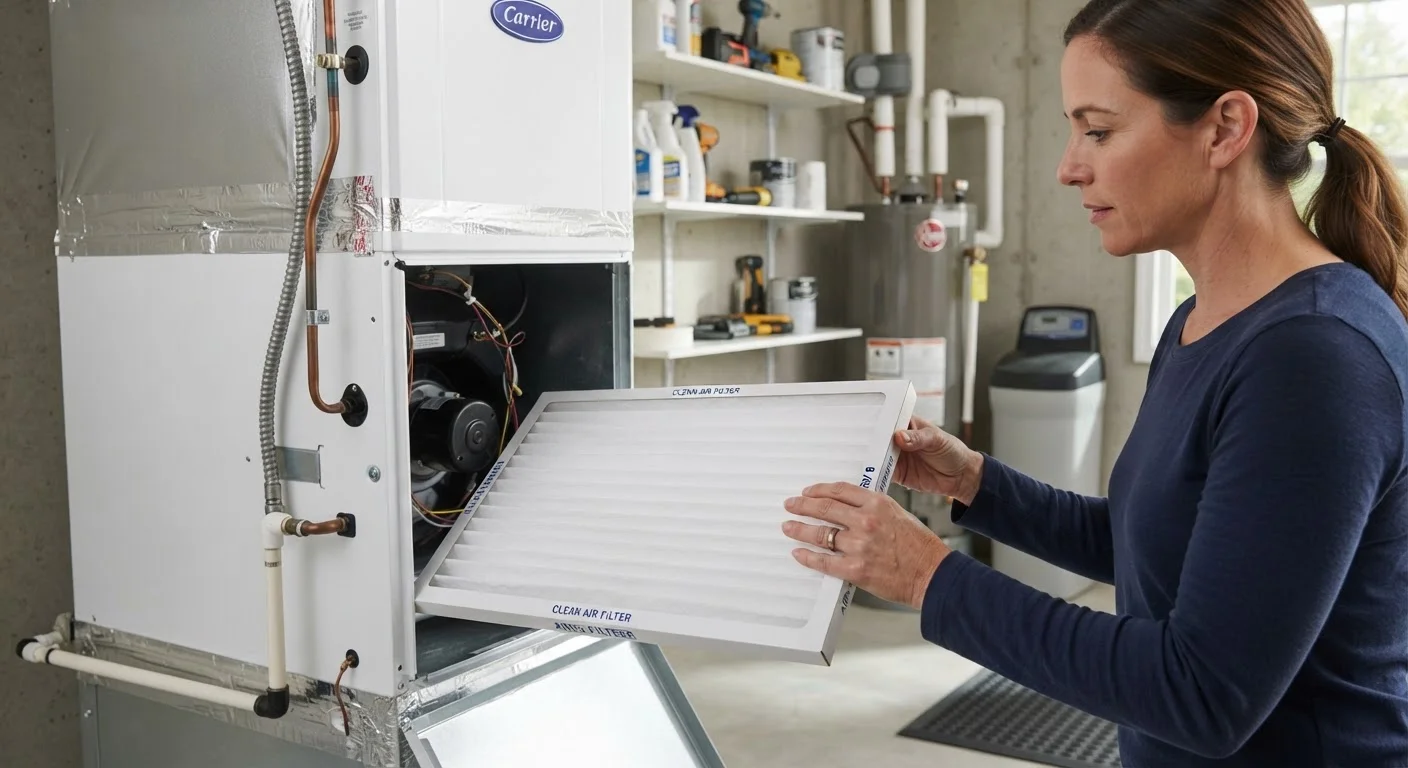
A dirty HVAC filter only affects air quality, not the equipment itself.
Fact
A clogged filter restricts airflow across the evaporator coil, which can cause the coil to freeze and force the system to work harder, shortening its service life.
The filter protects the coil, not just the air you breathe. When airflow drops below the system's design threshold, the evaporator coil cannot absorb enough heat and its temperature falls below the dew point, causing ice to form on the coil surface. A frozen coil stops cooling entirely and, if left running, can send liquid refrigerant back to the compressor and damage it. Filter replacement intervals depend on the filter type, household size, and whether pets are present, so checking the manufacturer's guidance rather than assuming a fixed schedule is worth the extra step.
Myth
Caulk applied once around windows or a tub lasts indefinitely.
Fact
Caulk is a flexible sealant that shrinks, hardens, and cracks over time, typically needing reapplication every three to five years depending on conditions.
Temperature cycling, UV exposure, and substrate movement all degrade caulk. Once it cracks or pulls away from the surface, water can enter the gap during rain or showering and travel along the framing or substrate before becoming visible as a stain or soft spot. Bathroom caulk around tubs and showers tends to fail faster than exterior window caulk because it is wet repeatedly. A simple visual inspection each spring, pressing lightly along the bead to check for hardness or separation, takes minutes and can prevent significant water damage repairs.
Myth
Popcorn ceilings are harmless and just a cosmetic issue.
Fact
Popcorn ceilings installed before 1978 frequently contain asbestos, which poses a health risk if the material is disturbed without proper testing and precautions.
Asbestos was commonly added to spray-on ceiling texture as a fire retardant and binder until its residential use was restricted in the late 1970s. Intact material that is not damaged or disturbed poses a lower immediate risk, but scraping, drilling, or sanding it releases fibers that are classified as a known carcinogen. Before any ceiling work in a home built before 1980, a certified asbestos inspector should test a sample. Remediation or encapsulation, when needed, must follow local regulations and is not a DIY task.
Myth
Running water down the drain after using the garbage disposal keeps it clean.
Fact
Water alone does not remove grease or food residue coating the grinding chamber; periodic cleaning with ice, coarse salt, or a small amount of dish soap is needed.
Grease and organic residue build up on the grinding elements and the interior walls of the disposal over time, producing odors and reducing grinding effectiveness. Ice and coarse salt together can scour the interior without chemicals. Running cold water during and after use helps move waste through the drain line, but it does not substitute for periodic mechanical cleaning. Avoid putting fibrous vegetables, starchy foods, or significant grease down the disposal regardless of what the water is doing; those materials contribute to drain line buildup downstream of the unit.
Where these myths cause the most damage
Mold, water intrusion, and HVAC neglect account for a large share of preventable home repair costs. The myths in this article tend to cluster around exactly those systems. Homeowners who believe bleach permanently solves mold often skip the moisture source investigation that would actually stop regrowth. Those who trust a clogged HVAC filter to handle itself end up with coil freeze-ups and shortened equipment life. For a full picture of how your heating and cooling system responds to neglect, the mechanics of HVAC filters and airflow walks through exactly what happens inside the system.
Gutter myths follow a similar pattern. Many homeowners only check gutters after a visible overflow, but blockages often form in downspout elbows where they are invisible from the ground. Year-round gutter and downspout management covers what to inspect and when, including after heavy wind events that drop debris without rain. Plumbing assumptions work the same way: slow drains are often treated with chemical openers repeatedly rather than addressing the actual blockage. Routine plumbing upkeep describes when a licensed plumber is the right call rather than a DIY fix.
Tile grout is another area where cosmetic thinking creates structural problems. Cracks dismissed as purely aesthetic can allow water to reach the substrate below, leading to subfloor damage that costs far more to correct than a timely regrout would have. Why grout keeps cracking explains the root causes most homeowners miss.