A practical month-by-month guide to the upkeep tasks that keep your home safe, efficient, and in good repair year-round.
Key Takeaways
Breaking maintenance into monthly tasks prevents small problems from becoming costly repairs.
Exterior checks in spring and fall catch the most common weather-related damage early.
HVAC, plumbing, and roofing tasks follow predictable seasonal patterns you can plan around.
Some tasks require licensed professionals; knowing which ones protects your safety and warranty.
A written log of completed maintenance helps with insurance claims and future home sales.
Why a month-by-month approach works
Most homeowners address problems only after they become visible. A seasonal calendar flips that habit: it spreads smaller tasks across the year so nothing piles up, and it aligns each job with the weather conditions that make it practical and effective.
Roof inspections after winter storms, gutter cleaning before fall rains, and HVAC servicing before peak heating and cooling seasons are all examples of timing that improves the outcome. The same principle applies to vehicles. If you already follow a structured schedule for your car, see how seasonal vehicle checks compare in structure and logic.
Working through this calendar once will also help you build a maintenance log, a written record that insurers and future buyers often request.
Winter (December through February)
Test smoke and carbon monoxide detectors monthly and replace batteries if needed.Must
Check attic insulation and ventilation to prevent ice dams from forming along the roofline.Must
Inspect pipes in unheated spaces (crawl spaces, garages, exterior walls) and insulate any exposed sections.Must
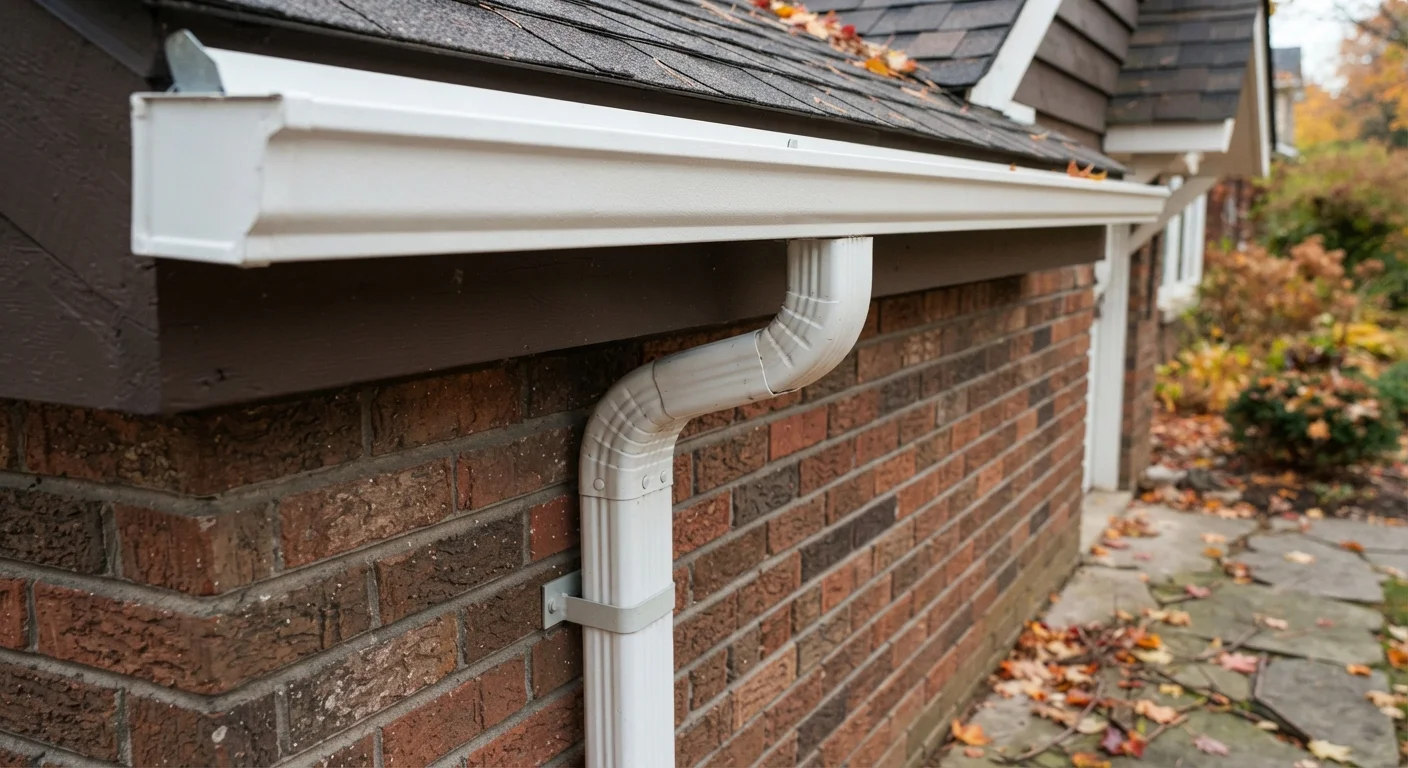
Keep gutters clear of ice buildup and check that downspouts drain away from the foundation.Must
Run a space heater test in any room that relies on supplemental heat before temperatures drop.Should
Stock emergency supplies: flashlights, extra batteries, bottled water, and a first-aid kit.Should
Spring (March through May)
Inspect the roof for shingles that are missing, cracked, or lifted after winter weather.Must
Clean gutters and downspouts of debris accumulated over winter; check for loose fasteners.Must
Schedule an HVAC tune-up before cooling season begins; replace the air filter.Must
Check exterior caulking around windows, doors, and where siding meets trim; re-caulk any gaps.Must
Test the sump pump by pouring water into the pit and confirming the float activates.Must
Walk the foundation perimeter for cracks, settling, or areas where soil has shifted toward the house.Should
Service lawn equipment (mower, trimmer, edger) and sharpen blades before first use.Should
Inspect outdoor faucets and hose bibs for freeze damage; turn on the exterior water supply.Must
Summer (June through August)
Check window and door screens for tears and replace any that no longer seal properly.Should
Inspect deck or patio surfaces for loose boards, popped fasteners, or signs of rot.Must
Clean dryer vent from the exterior end to remove lint buildup, which is a fire risk.Must
Inspect exterior paint and wood surfaces for peeling or cracking; spot-treat before moisture penetrates.Should
Flush the water heater to clear sediment; check the pressure-relief valve function.Should
Trim trees and shrubs back from the house to reduce moisture contact and pest entry points.Should
Fall (September through November)
Schedule an HVAC inspection and furnace tune-up before heating season; replace the filter.Must
Clean gutters after leaves have fallen; confirm downspouts direct water at least six feet from the foundation.Must
Drain and shut off exterior faucets and irrigation systems before the first hard freeze.Must
Inspect the fireplace and chimney; have a certified chimney sweep clean and inspect it if used regularly.Must
Seal gaps around doors and windows with weatherstripping or caulk to reduce heating loss.Must
Store or cover outdoor furniture, grills, and equipment that cannot withstand freezing temperatures.Should
Test garage door springs, hinges, and the auto-reverse safety feature.Should
Check attic access points, crawl space vents, and basement windows for gaps that allow pests to enter.Nice to have
Tools and materials to keep on hand
Before you start the calendar, gather the supplies below. Having them ready removes the main reason homeowners skip routine checks.
Required
Extension ladder
Needed for safe access to gutters, roof edges, and exterior light fixtures.
Required
Caulk gun and exterior caulk
Used to seal gaps around windows, doors, and where different materials meet on the exterior.
Optional
Multimeter
Useful for testing smoke detector circuits and checking basic electrical continuity in outlets.
Required
Garden hose with adjustable nozzle
Used to test drainage, flush downspouts, and test the sump pump float.
Required
Flashlight or headlamp
Needed for inspecting attics, crawl spaces, and under-sink plumbing.
Required
HVAC filter stock (correct size for your unit)
Replacing filters on schedule is one of the highest-impact, lowest-cost tasks in this calendar.
Optional
Drain snake or flush kit
Helpful for clearing slow drains and flushing water heater sediment as part of summer upkeep.
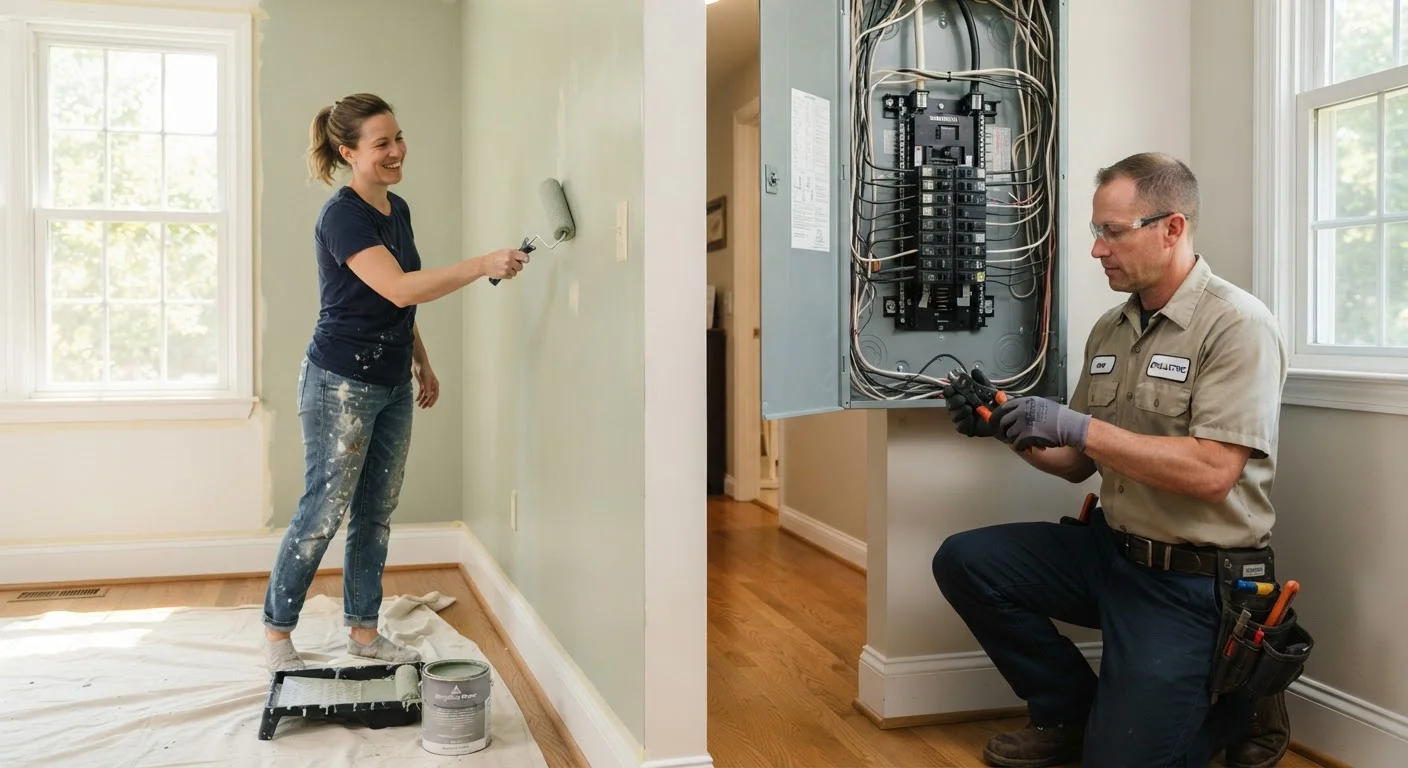
For any task that involves your electrical panel, gas lines, structural framing, or main water supply, stop and call a licensed professional. These are not areas where DIY saves money; errors in these systems can void homeowner's insurance and create serious safety risks. Check with your local building department about which tasks require permits in your jurisdiction.
Know when to stop and call a professional
Chimney inspections, furnace work involving gas connections, roof repairs above single-story height, and any task touching your main electrical panel all carry risks that standard homeowner tools and experience do not address. Attempting these without the right training can cause fires, gas leaks, or structural damage. Always verify local permit requirements before starting work that involves framing, roofing, electrical, or plumbing tied to the main supply.
Connecting the calendar to broader home care
This checklist covers scheduled maintenance. It does not replace the small, ongoing habits that stop minor wear from escalating. For those, see our companion guide on gutter and downspout management, which goes deeper on drainage and foundation protection, and our overview of routine plumbing upkeep for warning signs and when to call a plumber.
Homes and vehicles share more maintenance logic than most people expect. The same discipline behind small, consistent upkeep habits applies directly to the home: address the minor item now, avoid the major repair later. Keep this checklist somewhere accessible, review it at the start of each season, and update your log as you go.
Home & Garden Editorial Team is the collective byline for our editorial team and contributor network. Articles published under this byline or an editorial pen name are researched, written, and reviewed according to our editorial standards for clarity, consistency, and independence before publication.
The content provided on our blog site traverses numerous categories, offering readers valuable and practical information. Readers can use the editorial team’s research and data to gain more insights into their topics of interest. However, they are requested not to treat the articles as conclusive. The website team cannot be held responsible for differences in data or inaccuracies found across other platforms. Please also note that the site might also miss out on various schemes and offers available that the readers may find more beneficial than the ones we cover.